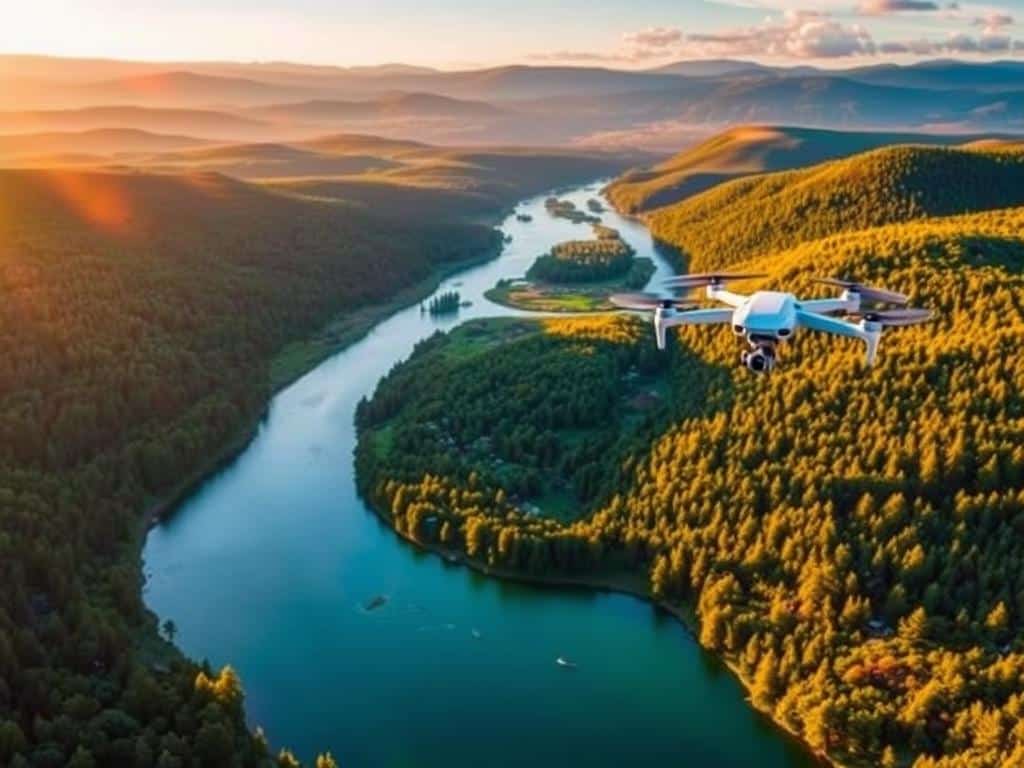

Did you know drones for aerial photography are now super popular? With over 1.5 million drones registered in the U.S., it’s clear why. This rise has made taking amazing aerial shots easy and affordable. Drone photography has moved from a special job to a hobby for many, from newbies to pros.
As we explore aerial photography, I’ll share key tips and tricks. These will help you improve your skills, whether you’re into landscapes, real estate, or events. Let’s discover how to take stunning aerial photos together.
Key Takeaways
- Drone photography has become widely accessible and has a significant impact on capturing beautiful imagery.
- Understanding the essential drone components is key for effective photography.
- Choosing the right settings can greatly improve your image quality.
- Light and weather conditions are critical for the best results.
- Different drones meet different photography needs and budgets.
- Shooting in both JPG and RAW formats gives you more editing options.
Understanding the Basics of Drone Photography
Drone photography has changed how we take pictures, giving us unique views from above. It mixes advanced tech with creativity, letting both hobbyists and pros explore new visual stories. With more people into aerial shots, knowing the basics is key. This includes the different drones and their parts.
What is Drone Photography?
Drone photography uses drones with cameras to take pictures and videos from the air. Flying high lets us capture shots that show scale and perspective. It’s amazing to think about how it started with kites in the early 1900s.
Now, drones have advanced tech that makes taking stunning shots easy.
Types of Drones for Photography
Choosing the right drone for photography is important. There are mainly two types: drones with built-in cameras and those that can use attachable cameras. Brands like DJI and GoPro have made big strides, with drones like the DJI Mavic Pro having 12-megapixel cameras.
Before picking a drone, think about what you need. Each model has its own benefits.
Essential Drone Parts to Know
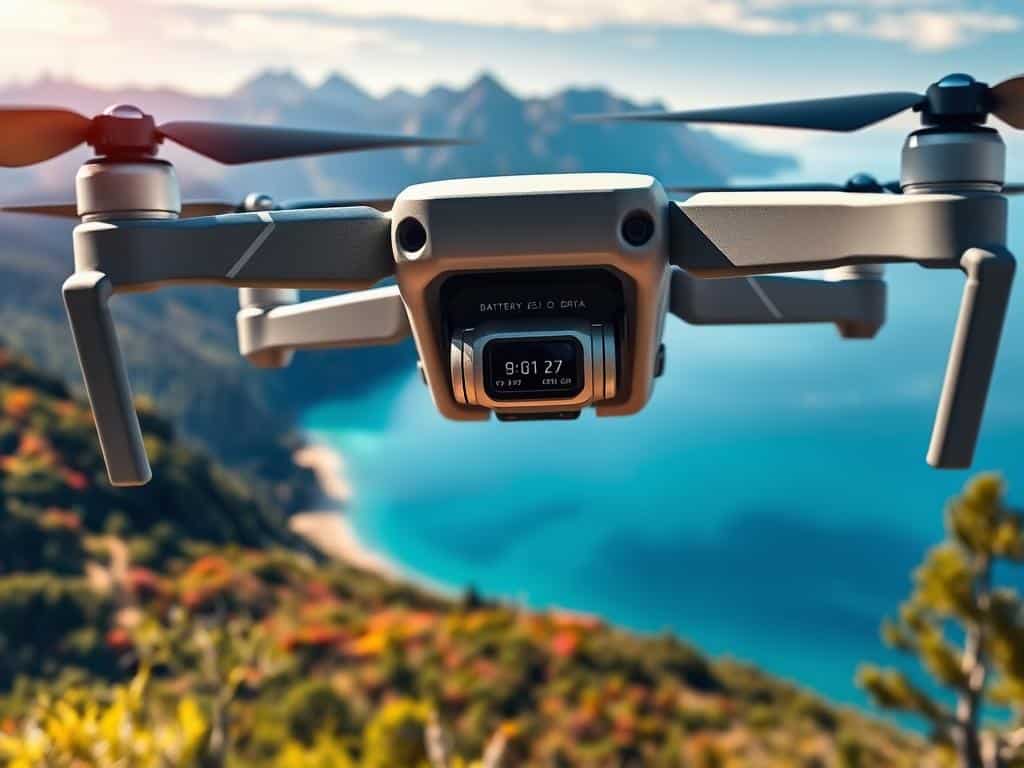
To get the most out of drone photography, knowing the drone parts is essential. Key parts include propellers for flying, a gimbal for camera stability, and the camera itself. A good monitor, like the Elvid Skyvision, helps see the drone’s camera feed live.
Understanding these parts helps users appreciate their drone’s capabilities. It also helps make better choices when taking drone photos.
Drone Photography Tips for Stunning Aerial Shots
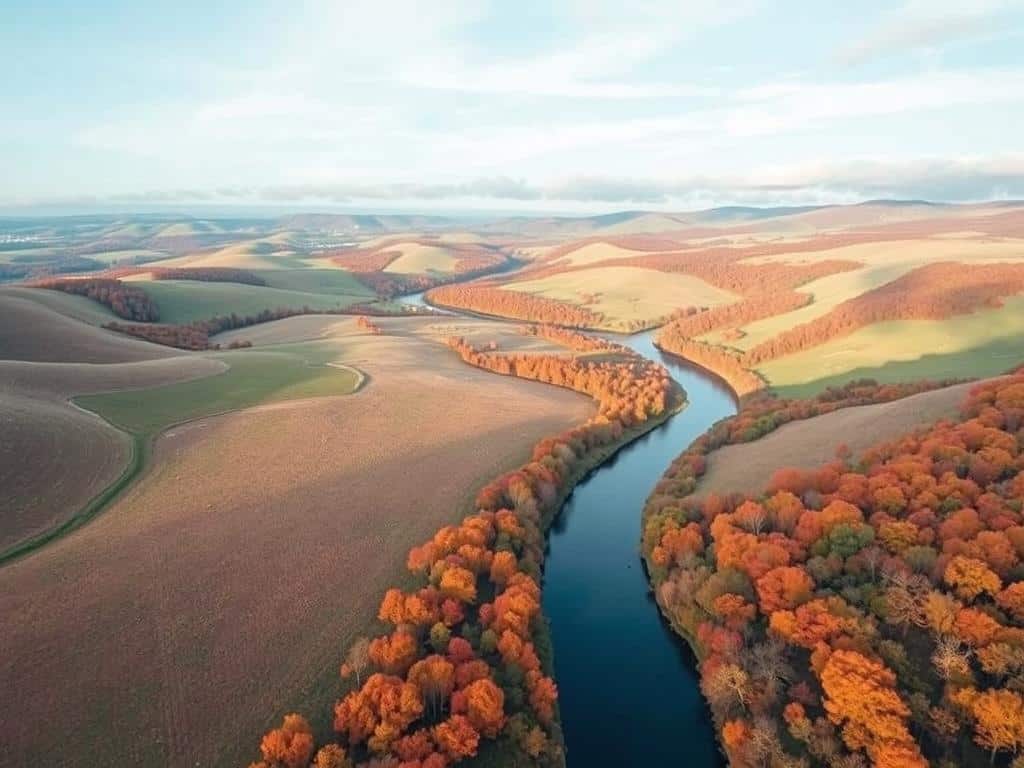
Capturing stunning aerial photos needs a good understanding of several factors. I focus on the right drone settings, flight techniques, and light to get amazing shots. Each part is key to making your photos stand out.
Optimal Drone Settings for Quality Images
Choosing the right drone settings is key for quality images. I suggest using RAW format for your camera, which gives you more editing options. Adjusting shutter speed and ISO can greatly improve image clarity. Keeping ISO low, below 100, reduces noise and grain.
Know your drone’s features to improve image quality at each shoot.
Flight Techniques for Dynamic Compositions
Using effective flight techniques can make your photos more dynamic. Using your drone’s stability features helps with smooth movements and clear shots. Try different angles and heights to add depth to your photos.
Techniques like Auto Exposure Bracketing (AEB) help capture the perfect shot by taking multiple exposures.
Light and Weather Considerations
Lighting greatly affects your photos. I find that golden hour or blue hour shots are more dramatic. It’s also important to watch the weather; overcast skies soften light, while clear skies can cause harsh shadows.
Understanding these light considerations helps plan and execute your aerial photography better.
Conclusion
Exploring drone photography has given me great insights. It’s not just about knowing my gear. It’s also about using the right techniques and thinking about the environment. These things help me take amazing aerial photos that grab people’s attention.
Studies show aerial photos are way more engaging than regular photos. This makes drone photography a thrilling way to express creativity.
Using RAW format and knowing how weather impacts my shots have helped me improve. I’ve learned that planning is key to getting creative aerial photos. Whether it’s a wild landscape or city life, each flight is a chance to learn and get better.
Practice is essential for achieving great results. It’s what keeps me excited about drone photography.
As I keep exploring drone photography, I’m excited about the future. The industry is growing fast, expected to hit $63.6 billion by 2025. There are endless possibilities ahead. I’m eager to share more insights and keep capturing the world from above.
