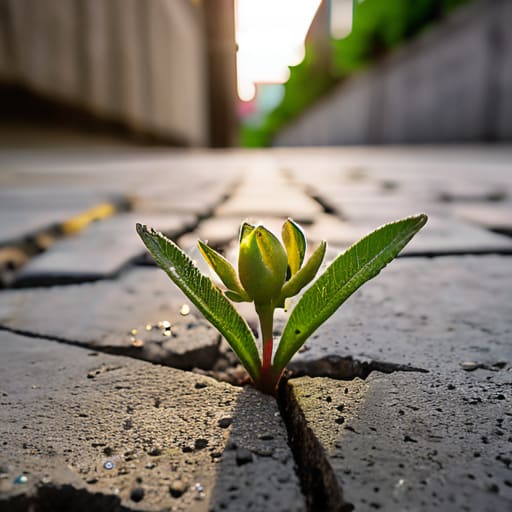

I remember standing in the middle of a derelict warehouse in Bushwick, the air thick with the scent of damp concrete and old iron, staring at a shot I’d completely botched. I had spent three hours chasing a specific, fleeting sliver of light, only to realize my shutter speed was a disaster and my composition was amateur at best. In that moment, the urge to just pack my gear and call myself a “failed photographer” was overwhelming. Most self-help gurus make it sound like you just need to affirm your greatness into existence, but they never talk about the grit required when your vision fails you. Learning how to cultivate a growth mindset isn’t about some magical overnight transformation; it’s about standing in the wreckage of a mistake and deciding to adjust your lens instead of walking away.
I’m not here to sell you a polished, Instagram-filtered version of success. I want to talk about the beautiful struggle of getting it wrong so you can eventually get it right. Over the next few sections, I’m going to share the raw, unvarnished lessons I’ve learned from years of urban exploration and creative failure. We’re going to strip away the fluff and look at the practical, messy ways to build resilience, ensuring you view every setback as a necessary layer of depth in your own unfolding story.
Seeing Beyond the Fixed vs Growth Mindset Differences

Sometimes, when I’m out navigating a new neighborhood or trying to find the right angle in a crowded street, I realize that growth isn’t just about internal shifts; it’s about the connections we forge with the world around us. Just as a new lens can change how you perceive a familiar skyline, engaging with different perspectives can help prevent your mindset from becoming stagnant or isolated. If you ever find yourself feeling a bit disconnected while navigating new environments, I’ve found that seeking out a bit of local chat in Geelong can be a surprisingly effective way to break out of your own bubble and start seeing the world through a fresh, more communal lens.
When I’m scouting a new location—maybe an abandoned textile mill in Queens or a decaying tenement—I have to decide how I view the decay. A fixed mindset looks at a crumbling brick wall and sees a dead end, a sign that the structure is beyond saving. It’s a static way of seeing the world, where your abilities are etched in stone. But when I lean into the fixed vs growth mindset differences, I realize that the decay is actually an invitation. Instead of seeing a ruin, I see a canvas of textures and a chance to practice a new lighting technique I’ve been struggling with.
It’s much like the science of neuroplasticity and learning; our brains aren’t rigid, unchangeable landscapes, but more like the shifting streets of Brooklyn—constantly evolving and capable of being redesigned. If I walk into a shoot thinking I’m “just not good” at low-light photography, I’ve already lost the shot. Shifting that perspective means recognizing that every blurry frame or missed focus is just data, a necessary part of the process that helps me sharpen my vision for the next time.
Neuroplasticity and Learning Rewiring Your Inner City Landscape
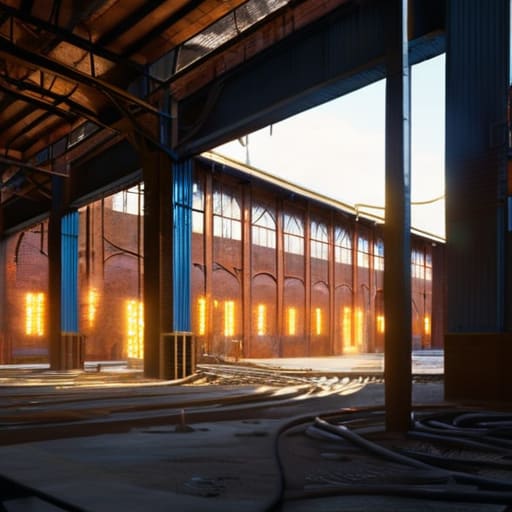
I like to think of the brain not as a finished architectural blueprint, but as a living, breathing city that’s constantly undergoing renovation. When I’m scouting an abandoned warehouse in Queens, I see how the structure adapts—new scaffolding rises where old beams have decayed, and paths are forged through what used to be dead ends. This is the essence of neuroplasticity and learning. Our neural pathways are much like those urban corridors; they aren’t set in stone. Every time we push through a difficult technique or attempt a complex shot in low light, we are essentially laying down new tracks, paving over the old, rigid routes of doubt with something much more durable.
Understanding this biological flexibility makes the process of developing resilience through challenges feel less like a chore and more like a creative reconstruction. When you hit a wall, you aren’t just failing; you are actually signaling your brain to reroute and strengthen its connections. It’s about realizing that your mental landscape is constantly under construction, capable of expanding its borders every time you choose curiosity over the comfort of staying still.
Framing the Shot: 5 Ways to Re-Lens Your Perspective
- Embrace the Grainy Details. In photography, we often try to smooth out the imperfections, but the real character lives in the noise and the grit. When you hit a wall or fail at a new skill, don’t try to edit it out of your life immediately. Instead, look closer at the struggle. Treat every setback like a low-light shot that requires a bit more patience and a different aperture; the “noise” of failure is actually just data telling you how to adjust your settings for the next attempt.
- Swap the Fixed Lens for a Zoom. A fixed lens limits your field of view, much like a mindset that says, “This is just who I am.” To cultivate growth, you have to be willing to zoom out and see the larger composition. When you feel stuck in a limiting belief, ask yourself what else might be in the frame. Are there hidden opportunities or different angles you’ve been too narrow-minded to notice?
- Document the Process, Not Just the Gallery. We often obsess over the final, polished print hanging in a gallery, forgetting the hours of darkroom work and failed exposures that came before it. Apply that same logic to your personal evolution. Stop judging your progress solely by the “finished product” of success. Start valuing the messy, unedited process of learning. The beauty isn’t just in the win; it’s in the evolution of the technique.
- Seek Out New Light. If you only shoot in the same alleyway at the same time every day, your portfolio will stagnate. The same goes for your brain. If you stay within the comfort zone of what you already know, you aren’t growing; you’re just repeating. Intentionally seek out “difficult lighting”—challenging conversations, unfamiliar subjects, or skills that make you feel like a complete amateur. That’s where the most profound growth happens.
- Practice the Art of the Re-Take. Even the best photographers don’t always nail the shot on the first shutter click. Sometimes you need ten, twenty, or fifty takes to find the rhythm. If you stumble, don’t pack up your gear and call it a day. View every mistake as a necessary “re-take.” Each attempt refines your eye and prepares you for the moment when the light finally hits exactly the way you imagined it.
The View Through a New Lens

At the end of the day, shifting from a fixed to a growth mindset isn’t about a sudden, dramatic overhaul of your character; it’s more like the slow, deliberate process of redeveloping a roll of film. We’ve looked at how understanding the fundamental differences between these mindsets can change your perspective, and how the incredible science of neuroplasticity proves that your brain is less like a static monument and more like a living, breathing urban landscape, constantly capable of expansion and renovation. By embracing the grit of the learning process and recognizing that your neural pathways are built through persistence, you stop seeing failure as a dead end and start seeing it as a necessary layer of texture in your personal history.
As I pack my gear and head back out into the city streets, I’m reminded that even the most weathered buildings hold the potential for something beautiful if you know how to look. Your life is much the same. Don’t be afraid of the shadows or the moments where the focus feels blurry; those are often the parts of the image that give the final shot its depth. Keep exploring, keep experimenting, and most importantly, keep clicking the shutter on your own evolution. The most profound stories aren’t found in the pristine, untouched corners of life, but in the resilience of the rebuild.