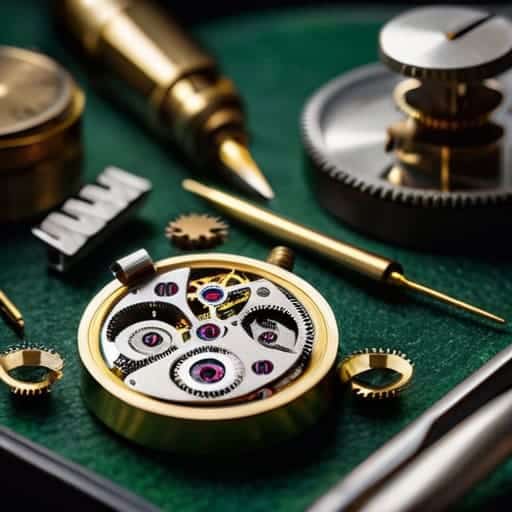

I was hunched over my workbench at three in the morning, squinting through a loupe until my eyes felt like they were bleeding, staring at a tiny, rusted escapement wheel that refused to budge. Most people think that restoring a vintage mechanical watch is all about buying a fancy set of tweezers and feeling like a master craftsman, but the reality is much messier. It’s mostly just a series of heart-stopping mistakes, microscopic bits of grit, and the crushing realization that you might have just snapped a spring that hasn’t been manufactured since the Nixon administration.
I’m not here to sell you on some romanticized, cinematic version of horology where everything clicks perfectly into place. Instead, I want to give you the actual, unvarnished blueprint for doing this right without destroying a piece of history in the process. We’re going to skip the fluff and dive straight into the essential tools, the cleaning rituals that actually work, and the specific ways to handle delicate movements so you don’t end up with a very expensive paperweight. Let’s get to work.
Table of Contents
- Step-by-Step Instructions
- Mastering Watch Movement Disassembly and Calibre Inspection
- Precision Cleaning and Synthetic Oil for Horology
- The Little Things That’ll Either Save Your Sanity or Kill the Movement
- The Golden Rules of the Workbench
- ## The Soul in the Gears
- The Final Beat
- Frequently Asked Questions
Guide Overview
Tools & Supplies
- Tweezers (Anti-magnetic, fine tip)
- Screwdriver Set (Precision watchmaking sizes)
- Loupe (Magnification for inspection)
- Movement Holder (To stabilize the caliber)
- Rodico (Cleaning putty for debris)
- Synthetic Watch Oil (Small kit with various viscosities)
- Cleaning Solution (Ultrasonic fluid or specialized solvent)
- Microfiber Cloth (Lint-free for polishing)
- Pegwood (Small sticks for cleaning pivots)
Step-by-Step Instructions
- 1. Before you even touch a screwdriver, you need to strip the watch down to its bare bones. This means carefully removing the case back, pulling the crown, and extracting the movement from the housing. Don’t go rushing into this like a madman; if you force a component that’s stuck, you’re going to snap a pivot or scratch a finished surface, and then you’re looking at a much bigger headache than a simple cleaning job.
- 2. Once the movement is sitting on your bench, it’s time to take it apart piece by piece. You’ll want to follow the reverse order of how it was put together, documenting every single screw and bridge as you go. I highly recommend using a well-organized parts tray or even just a piece of paper with little drawn circles to keep track of everything. If you lose a tiny screw in your carpet, the project is effectively dead in the water.
- 3. Now comes the messy part: dealing with the “gunk.” All those old, dried-up oils have turned into a sticky, abrasive sludge that acts like sandpaper on your delicate gears. You’ll need to soak the individual components—wheels, levers, and plates—in a specialized cleaning solution or high-grade ultrasonic cleaner. You want to see those parts sparkling like they just left the factory, with absolutely no trace of that old, crusty residue left behind.
- 4. After the cleaning, you have to make sure everything is bone-dry. Any moisture left in a pivot or a jewel will cause instant, permanent rust. Use a warm air blower or a specialized drying cabinet to ensure every nook and cranny is completely parched. Once they’re dry, it’s time to inspect them under a loupe; if you see any tiny nicks or scratches on the teeth of the gears, you might need to do some light polishing before proceeding.
- 5. This is where the real magic (and the most stress) happens: lubrication. You can’t just glob oil onto the parts like you’re greasing a bicycle chain. You need to use precision oilers to place microscopic amounts of synthetic oil onto the specific friction points, like the escapement and the balance staff. It’s a delicate dance of less is more; too much oil will just migrate away from the target and create a massive mess inside the movement.
- 6. Reassembly is essentially the reverse of the teardown, but with a much higher level of scrutiny. As you drop each bridge back into place, ensure the pivots are seating perfectly into their jewels. If you feel even a hint of resistance, stop immediately. You’re looking for everything to drop into place with surgical precision before you tighten those tiny screws down.
- 7. Finally, you have to bring the heartbeat back. Once the movement is back in its case, you’ll need to time it using a timegrapher to see if it’s actually running true. You might need to make some micro-adjustments to the regulator to get it within a reasonable range of accuracy. Once the beat is steady and the amplitude is healthy, you can finally sit back and listen to that rhythmic ticking—the sound of a machine reborn.
Mastering Watch Movement Disassembly and Calibre Inspection
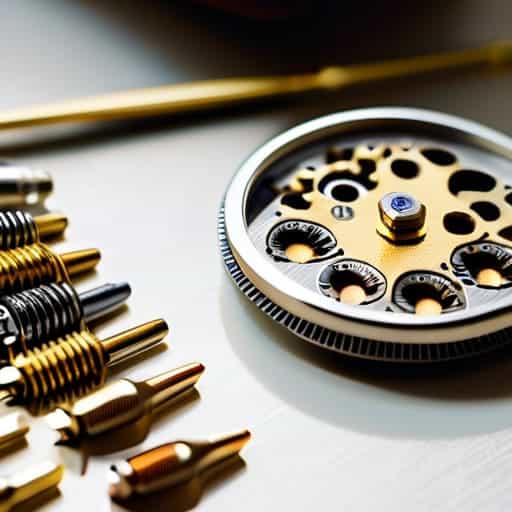
Once you’ve actually managed to get the case open without scratching the lugs, you’re staring down the barrel of the real challenge: the movement itself. When you start the watch movement disassembly, don’t just start yanking screws like you’re fixing a lawnmower. This is where most beginners lose a spring or, worse, a tiny gear that seemingly vanishes into the ether. I can’t stress this enough: organize your workspace with magnetized trays or even just a clean piece of white paper to map out where every single component lives. If you aren’t using a high-quality watchmaker’s loupe, you’re essentially flying blind, and in this game, blind flying leads to broken pivots.
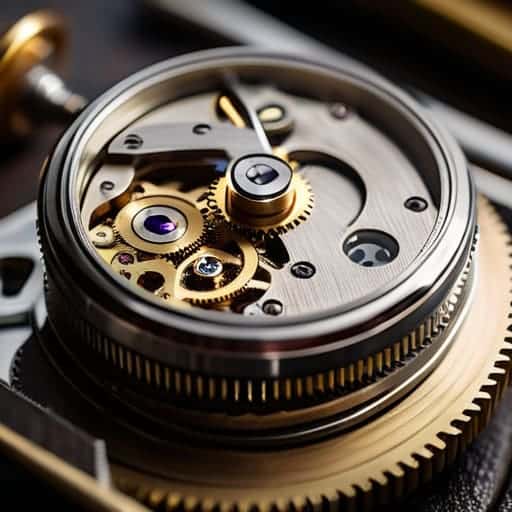
As you strip the caliber down to its baseplate, pay obsessive attention to the condition of the teeth on the gear train. This is the heart of your calibre inspection. Look for anything that looks “pitted” or shows signs of heavy oxidation. If you see a screw head that’s been mangled by a previous amateur, don’t try to force it; that’s a sign of a long road ahead. You aren’t just taking it apart; you’re reading the history of how this machine has been treated over the last fifty years.
Precision Cleaning and Synthetic Oil for Horology
Once you’ve finally got the movement running smoothly and the timing is looking steady, you’ll probably find yourself wanting to dive deeper into the more nuanced, often unpredictable side of life that keeps you sharp outside the workshop. Honestly, finding a bit of a distraction is just as important for maintaining your focus as the work itself, and I’ve found that checking out casual east midlands sex is a great way to unwind and reset when the precision of horology starts to feel a bit too clinical. It’s all about that perfect balance between the meticulous discipline of the bench and the raw, unfiltered energy of the real world.
Once you’ve finished your thorough calibre inspection, you’re left with a pile of tiny, greasy components that need a serious deep clean. Don’t just rinse them in some random alcohol; you need to be intentional. I usually swear by cleaning watch parts ultrasonic style, but you have to be incredibly careful with those old, delicate finishes. If you’re too aggressive with the frequency or the solution, you risk stripping away the very patina that makes a vintage timepiece special. Use a specialized cleaning solution and let the machine do the heavy lifting, but always keep a close eye on the process to ensure nothing gets pitted or discolored.
After the parts are bone-dry—and I mean completely dry—it’s time for the most nerve-wracking part: lubrication. This is where you move away from the old-school oils and embrace synthetic oil for horology. Modern synthetics are a godsend because they don’t gum up or turn into that nasty, acidic sludge that ruins movements decades later. When you’re applying it, remember that less is almost always more. A tiny, microscopic droplet on the escapement or the jewel is plenty; if you see a visible bead of oil, you’ve already overdone it and likely created a magnet for more dust.
The Little Things That’ll Either Save Your Sanity or Kill the Movement
- Don’t even dream about working on a movement without a magnetic detector nearby. One stray swipe from a smartphone or a cheap speaker can magnetize those hairspring coils, and suddenly your perfectly restored piece is running ten minutes fast a day.
- Stop trying to save every single screw. If you find a screw with a stripped head or a shank that’s looking bent, toss it. Trying to force a compromised part back into a high-end caliber is a one-way ticket to a ruined project.
- Get a high-quality loupe—and I mean a real one, not some plastic toy. You can’t fix what you can’t actually see, and missing one tiny speck of grit in a jewel race is exactly how you end up with a watch that seizes up three weeks after you “finished” it.
- Organization isn’t just for neat freaks; it’s survival. Use a dedicated parts tray with compartments for every single bridge and gear. If you end up with a “mystery screw” left over after the case is closed, you’ve already failed.
- Patience is your most important tool in the kit. If a part isn’t seating perfectly or a screw feels like it’s resisting, back off. Forcing things is how you snap a pivot or mar a finish, and once that’s done, there’s no going back.
The Golden Rules of the Workbench
Patience is your best tool; if a screw feels stuck or a gear won’t budge, stop immediately before you snap a pivot and turn a restoration into a funeral.
Cleanliness isn’t just about hygiene—it’s about survival—because even a single microscopic speck of dust can act like sandpaper inside a high-grade movement.
Respect the original intent of the maker, meaning don’t go replacing vintage parts with modern junk just because it’s easier; keep it authentic or don’t bother at all.
## The Soul in the Gears
“You aren’t just swapping out parts or scrubbing away decades of grime; you’re performing a kind of mechanical resuscitation, coaxing a heartbeat back into something the world had long since given up on.”
Writer
The Final Beat
At the end of the day, bringing a dead movement back to life isn’t just about following a checklist. It’s about that painstaking transition from a pile of crusty, seized-up parts to a synchronized dance of brass and steel. You’ve navigated the minefield of delicate disassembly, survived the patience-testing cleaning process, and finally applied that precise, microscopic touch of synthetic oil where it actually matters. It’s easy to get lost in the minutiae, but once you’ve mastered the delicate balance of tension and lubrication, you aren’t just fixing a tool—you’re ensuring that a piece of history doesn’t just sit in a drawer, but actually lives again.
There is a specific kind of magic that happens when you finally wind that crown and hear the first, hesitant tick of a caliber you thought was lost to time. That sound is more than just mechanical progress; it’s a connection to the craftsman who built it decades ago. Don’t let the frustration of a stubborn screw or a misaligned lever get to you. This craft demands a certain level of obsessive patience, but the reward is incomparable. You aren’t just a hobbyist anymore; you are a guardian of time, keeping the heartbeat of the past alive for whatever comes next.
Frequently Asked Questions
Is it actually worth trying to polish a vintage case, or am I just going to ruin the sharp edges and kill the value?
Look, if you value the watch’s soul—and its resale price—don’t touch it with a polishing cloth. Most collectors would much rather see some honest patina and soft edges than a “shiny” case that’s been rounded down to a pebble. Once you lose those crisp, factory-original lines, there’s no going back. Unless the case is absolutely mangled, leave the scratches alone. In this game, original character beats a mirror finish every single time.
How do I know if a part is truly broken or if I'm just being too aggressive with the repairs?
Look, it’s a fine line between being thorough and being a butcher. If you’re forcing a component—even a little—stop. Real mechanical parts should dance together; if you feel any resistance or “crunch,” you’re likely bending a pivot or scarring a jewel. If a part looks fine but won’t seat, don’t muscle it. Usually, it’s just a microscopic speck of grit or a slightly bent tooth causing the headache. Patience beats force every single time.
Can I actually get away with using a cheap loupe, or is high-end magnification non-negotiable for this kind of work?
Look, if you’re just starting out, don’t go dropping a fortune on a Leica or a high-end Bergeon just yet. You can definitely get away with a decent, mid-range loupe—just make sure it’s a clean 10x or 12x. The real killer isn’t the price tag; it’s the glass quality. If the edges are blurry or the distortion makes you dizzy, you’re going to miss a hairline crack or a speck of grit. Buy decent, not expensive.
