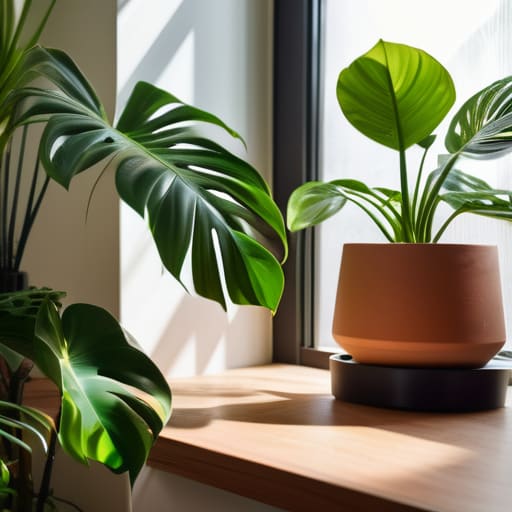

I remember sitting in my first cramped Brooklyn studio, surrounded by the skeletal, yellowing remains of a fiddle leaf fig that I’d treated like a high-maintenance film camera—fussing over every micro-adjustment until I eventually suffocated the life out of it. Most people treat greenery like a complex technical manual, drowning them in expensive fertilizers or obsessing over hyper-specific humidity levels that don’t actually matter in a real-world apartment. If you’re looking for a sterile, academic beginner guide to indoor plant care that demands a chemistry degree, you’re in the wrong place; I’m here to tell you that most of that high-end gardening hype is just noise.
I want to strip away the pretension and treat your plants like the quiet, resilient residents of your urban sanctuary that they truly are. My goal is to offer you a no-nonsense roadmap built on the trial, error, and muddy hands of someone who has actually lived with these living things in small spaces. We’re going to focus on the essential rhythms of light and water—the kind of practical, observant knowledge that turns a windowsill into a breathing piece of your home without the unnecessary stress.
Chasing Shadows Selecting Low Light Houseplants for Beginners
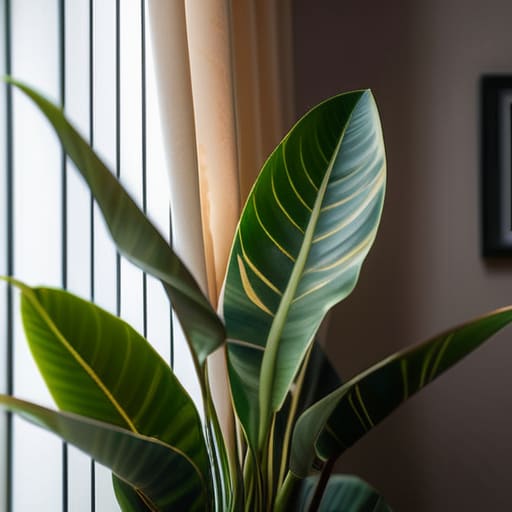
Chasing Shadows: Selecting Low Light Houseplants for Beginners
There’s a specific kind of magic in the corners of an apartment where the sun rarely ventures—those dim, quiet alcoves that feel more like a studio’s shadows than a bright sunroom. When I first started decorating my Brooklyn loft, I realized my space didn’t always play by the rules of a lush conservatory. Instead of fighting the gloom, I learned to embrace it by seeking out low light houseplants for beginners that thrive in the periphery. Plants like the Snake Plant or the ZZ Plant are almost like the urban explorers of the botanical world; they are resilient, patient, and perfectly content to exist in the soft, muted light of a north-facing window.
Choosing these hardy companions is less about chasing perfection and more about finding a rhythm that suits your environment. In these low-light pockets, you’ll find that the natural tempo of growth slows down, which actually makes your job easier. You won’t need to worry as much about a strict indoor plant watering schedule, as these species tend to hold onto moisture much longer than their sun-drenched cousins. It’s about finding that quiet equilibrium where the plant and the shadow become one.
The Rhythm of Life Mastering Your Indoor Plant Watering Schedule
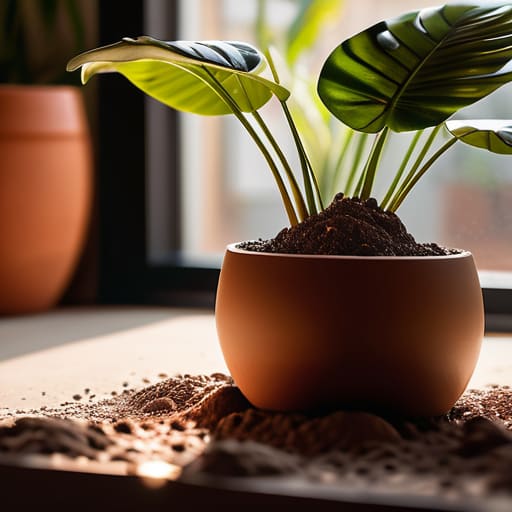
There is a certain cadence to a city—the rhythmic hiss of a subway train or the distant hum of traffic—and I’ve come to realize that your apartment has its own pulse, too. When it comes to an indoor plant watering schedule, you can’t just follow a rigid calendar like you’re checking a train timetable. Plants aren’t machines; they react to the shifting light of the seasons and the heavy, stagnant air of a Brooklyn summer. I’ve learned through trial and error that the best way to listen to them is to actually touch the soil. If it feels like a damp sponge, walk away. If it’s bone-dry and pulling away from the edges of the pot, it’s time to give it a drink.
It’s easy to fall into the trap of over-loving your greenery, but too much water can be just as silent and destructive as a drought. I often find myself staring at my Monstera, wondering if it’s thirsty or just settling into its space. Part of mastering this rhythm is understanding your specific indoor plant humidity requirements, especially when the radiator starts kicking in during the winter months. Instead of a mindless routine, aim for a mindful observation. Treat watering as a quiet ritual—a moment to pause and actually see what your living sanctuary needs to thrive.
The Unspoken Language of Leaves: Five Ways to Listen to Your Greenery
- Don’t just look at your plants; observe their posture. Much like the way light hits a crumbling brick wall at dusk, a plant’s subtle shifts—the slight droop of a leaf or a sudden change in color—are its way of narrating its current state of being.
- Treat your soil like a landscape under exploration. Instead of a rigid schedule, use your finger to feel the texture and moisture deep within the earth; it’s the only way to truly understand the micro-climate you’ve created inside your own four walls.
- Think of humidity as the atmospheric soul of your apartment. If the air feels too sterile and dry, like an empty industrial loft, your tropical plants will feel it; a simple tray of pebbles and water can act as a gentle, localized mist to mimic their natural home.
- Avoid the temptation of instant gratification with heavy fertilizers. Just as I wouldn’t rush a long-exposure shot, let your plants find their rhythm naturally; a little nourishment during the growing season is a subtle nudge, not a forced transformation.
- Keep a close eye on the “forgotten corners” of your foliage. Dust can settle on leaves like soot on an old Brooklyn storefront, blocking the light they need to breathe; a gentle wipe with a damp cloth keeps their connection to the sun clear and vibrant.
The Final Frame
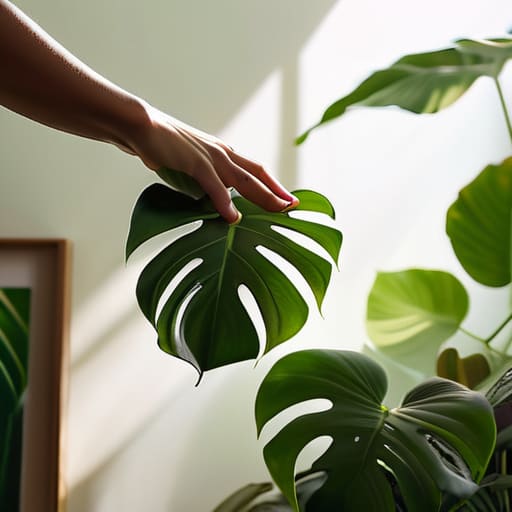
As you wrap up this initial chapter of your indoor gardening journey, remember that it’s really about finding a rhythm. We’ve looked at how to navigate the tricky shadows of low-light corners and how to sync your watering schedule with the natural pulse of your plants. It isn’t about following a rigid, clinical manual; it’s about learning to read the subtle cues—the slight wilt of a leaf or the way a stem reaches toward a sliver of morning sun. Think of it as developing a photograph; you have to wait for the details to emerge through patience and a steady hand. By mastering these basics, you aren’t just keeping greenery alive; you are curating a living atmosphere within your own space.
Ultimately, your home is your own personal gallery, and these plants are the living textures that breathe life into the frame. Don’t be discouraged if a leaf turns yellow or a new sprout fails to appear; even in my urban explorations, I’ve learned that there is a profound, quiet beauty in the process of decay and regrowth. Every plant you nurture tells a story of resilience, much like the weathered brick and ivy-clad walls of the old Brooklyn streets I love to document. So, keep your hands a little dirty, keep your eyes observant, and most importantly, embrace the beautiful imperfection of growing something from nothing.
Sometimes, when the city noise gets too loud and the light in my studio starts to fade, I find that the best way to stay grounded is to seek out unexpected connections, much like finding a hidden courtyard in the middle of a concrete jungle. It’s about finding those small, intimate spaces where you can truly be yourself without the world watching. I’ve often found that exploring digital landscapes, like engaging in a bit of vancouver sex chat, can offer a similar sense of unfiltered human connection that mirrors the raw, honest energy I try to capture in my photography. It’s all part of learning how to nurture the different layers of your own personal environment.