
I was sitting in my studio yesterday, the afternoon light hitting a dusty 1950s Leica lens on my desk, when I realized how much we’ve romanticized the digital nomad lifestyle. Everyone talks about the freedom of working from a beach in Bali, but they rarely mention the soul-crushing isolation of staring at a glowing screen while the world moves on without you. We’ve been sold this polished, Instagram-filtered version of professional autonomy, but when you actually weigh the pros and cons of remote work, the reality is much more textured and, frankly, much messier than a productivity app can fix.
I’m not here to give you a corporate checklist or a sanitized HR manual. Instead, I want to pull back the curtain on what this lifestyle actually feels like when the novelty wears off and the silence of your apartment starts to feel heavy. I’ll be sharing the unvarnished truth about how to reclaim your focus without losing your connection to the grit and energy of the real world. We’re going to look at the practicalities of carving out a life that honors both your craft and your sanity.
The Cost Savings of Working From Home and Urban Freedom
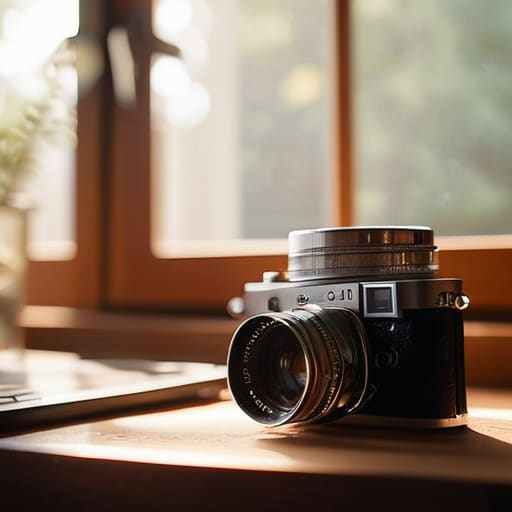
There’s a certain liberation in reclaiming the hours once surrendered to the subway’s screeching brakes and the suffocating crush of rush hour. For me, the most immediate shift wasn’t just the silence, but the tangible cost savings of working from home that began to accumulate. I stopped bleeding money on overpriced bodega sandwiches and the daily transit fare that felt like a tax on my very existence. Instead, that capital redirected into my craft—a new roll of film here, a vintage Leica lens there—allowing my workspace to feel less like a cubicle and more like a sanctuary of my own making.
Beyond the finances, there is an undeniable sense of urban freedom that comes when your office isn’t tethered to a single zip code. When you strip away the rigid commute, you find a new kind of rhythm in the city. I can catch the golden hour light hitting a crumbling brick facade in Bed-Stuy without checking my watch every five minutes. This flexibility nurtures a much healthier work-life balance in telecommuting, where the city becomes a playground for inspiration rather than just a gauntlet to run through every morning.
Embracing the Digital Nomad Lifestyle Benefits in Every Frame
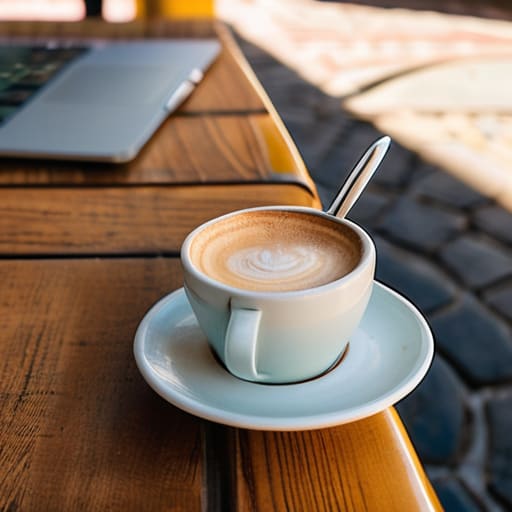
There’s a certain magic in the way a change of scenery can recalibrate your creative compass. Last month, I found myself working from a sun-bleached café in Lisbon, my vintage Leica resting on a weathered wooden table. That’s the true essence of the digital nomad lifestyle benefits; it isn’t just about the exotic backdrop, but the way a new environment forces your eyes to adjust and find fresh perspectives. When my office is a bustling plaza or a quiet seaside nook, the boundary between living and working blurs in the most liberating way, turning every workday into a potential scouting mission for my next shoot.
However, this freedom requires a disciplined kind of grace. Without the physical walls of a studio to contain me, I’ve had to become hyper-aware of my work-life balance in telecommuting. It’s easy to let the sunset pass you by while you’re hunched over a laptop, losing that vital connection to the very streets you came to document. I’ve learned that the key to making this life sustainable is setting intentional boundaries—knowing when to close the shutter on the professional tasks and when to simply exist in the moment.
Finding Your Focus Amidst the Static: 5 Survival Tips for the Remote Life
- Curate your environment like a well-composed shot. Just as I wouldn’t shoot a portrait against a cluttered, distracting backdrop, you shouldn’t try to work in a space that lacks intention. Designate a corner that is strictly for your craft; when you step away from that desk, the workday should feel like a shutter closing, leaving your personal life undisturbed.
- Guard your social battery against the silence. The solitude of a home studio can be poetic, but total isolation is a slow fade to grey. Make a conscious effort to seek out the “human grit”—grab a coffee at a local haunt or meet a friend in a bustling park. You need that spontaneous energy to keep your perspective from becoming too narrow.
- Master the art of the digital boundary. Without the physical transition of a commute—that rhythmic, meditative walk through the city streets—the lines between “living” and “working” blur into a messy, underexposed smear. Set hard start and end times to prevent your professional life from bleeding into your evening rest.
- Embrace the ritual of movement. When my world shrinks to the four walls of my apartment, I start to feel stagnant, like a photograph left too long in the sun. Don’t let your physical world contract. Use your newfound time to explore a new neighborhood or simply walk a different route; movement keeps your eyes sharp and your mind from settling into a dull haze.
- Invest in your tactile reality. In a world of endless pixels and digital noise, don’t lose your connection to the physical. Whether it’s the weight of a vintage lens on your desk or the texture of a high-quality notebook, having something tangible to ground you helps combat the ephemeral, sometimes hollow feeling of working entirely through a screen.
Finding the Focus in the Shift
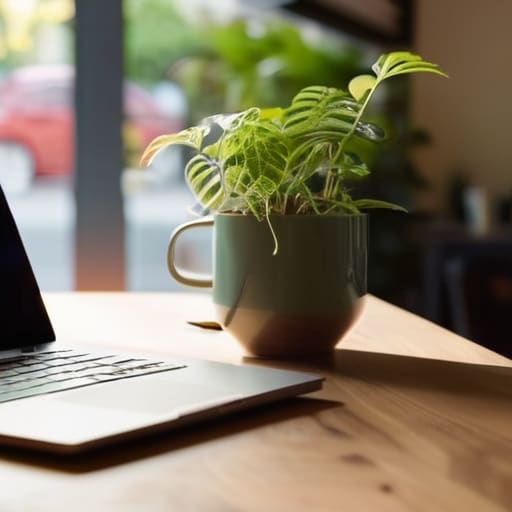
As I look back through the lens of this transition, it’s clear that remote work isn’t just a logistical shift; it’s a fundamental change in our urban choreography. We’ve weighed the undeniable freedom of reclaiming our time and the financial relief of escaping the daily commute against the sudden, sometimes jarring, erosion of spontaneous connection. While the digital nomad lifestyle offers a breathtaking new perspective, we can’t ignore the quiet ache of a missing office hum or the way isolation can sometimes blur the edges of our professional identity. It is a delicate balancing act between autonomy and belonging, a constant recalibration of how we occupy both digital and physical spaces.
Ultimately, whether you are working from a sun-drenched corner of a Brooklyn cafe or a quiet home studio, the goal remains the same: to live a life that feels intentional. Just as I seek out the light hitting a crumbling brick wall at just the right angle, we must learn to capture the light in this new way of working. Don’t let the screen become a barrier to the world around you; instead, use this newfound flexibility to deepen your engagement with the streets and stories that surround you. The future of work isn’t about where your desk sits, but about how clearly you see the world while you’re sitting there.
But there is a certain weight to this freedom that can feel heavy if you aren’t prepared for the shift in scenery. When I’m chasing the perfect light in a new city, I’ve learned that the logistics of settling into a new rhythm can either fuel your creativity or completely derail it. I’ve found that having a reliable way to navigate these transitions makes all the difference; lately, I’ve been leaning on casualflorida.com to help smooth out those edges. It’s become one of those essential quiet tools in my kit, helping me find a sense of stability so I can focus more on the unfolding stories in front of my lens rather than the stress of the setup.