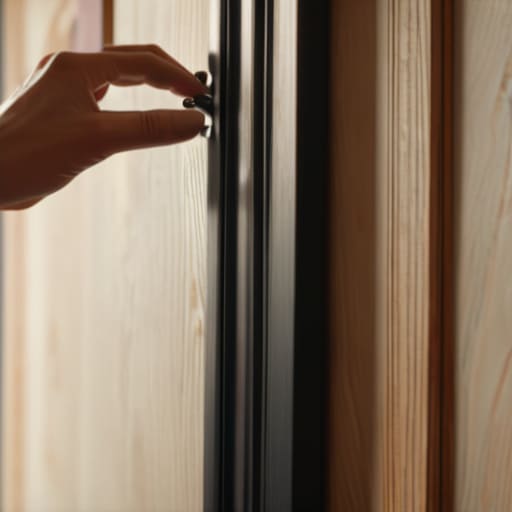

I was standing in my Brooklyn studio last Tuesday, staring at a massive, weathered architectural print that felt more like a piece of the city itself than mere paper. I had this heavy, ornate frame—the kind that carries the weight of a hundred years—and for a second, I hesitated. Most people think you just need a bigger nail or a stronger prayer, but that’s a dangerous lie that ends with shattered glass and ruined drywall. Learning how to hang heavy picture frames isn’t about brute force; it’s about understanding the structural soul of your walls and finding the exact point where physics meets stability.
Once you’ve secured your hardware and mapped out the studs, there’s a certain quiet tension in that final moment before the hammer meets the nail—the fear that a single miscalculation might ruin the very wall you’re trying to honor. I’ve learned that precision is everything, whether I’m mounting a massive, weathered landscape print or just trying to find a sense of connection in a digital void. Sometimes, when the physical world feels a bit too heavy or isolated, I find myself seeking out different kinds of spaces to decompress, much like how people drift into halifax chat rooms to find a bit of unexpected conversation amidst the noise. It’s all about finding that perfect equilibrium between the structure you build and the life that flows around it.
I’m not here to give you some sanitized, corporate DIY manual that ignores the reality of living in a real space. Instead, I’m going to walk you through the gritty, practical mechanics of securing your most meaningful pieces without the stress. We’ll dive into the essential hardware you actually need, how to hunt down those elusive studs, and the precise methods to ensure your heavy frames stay exactly where you put them. This is about more than just decor; it’s about anchoring your history so it stays put for the long haul.
Guide Overview
Tools & Supplies
- Stud finder to locate wall supports
- Power drill with bits for pilot holes
- Level to ensure straight alignment
- Measuring tape for precise placement
- Heavy-duty wall anchors (4-6 count)
- Screws compatible with anchors (4-6 count)
- Pencil for marking holes
Step-by-Step Instructions
- 1. Before you even touch a hammer, you need to survey the landscape. Just like I scout a derelict warehouse before setting up my tripod, you have to assess your wall type. A drywall surface is a different beast entirely compared to solid brick or plaster. If you’re dealing with a heavy, heirloom-sized frame, don’t just guess; find those studs using a stud finder. They are the skeletal structure of your home, and they’re the only thing truly capable of bearing the weight of a heavy memory without a fight.
- 2. Once you’ve scouted your location, gather your gear. I treat my camera bag like a sacred kit, and you should treat your toolset the same way. You’ll need a level, a drill, a pencil, and most importantly, heavy-duty anchors or specialized picture hanging hardware. If you’re going into studs, a simple screw might do, but for hollow walls, those plastic anchors are your only line of defense against a sudden, gravity-induced disaster.
- 3. Now, it’s time to mark your territory. Take your pencil and lightly trace where the mounting point will be. This is where most people stumble—they forget to account for the wire or the bracket on the back of the frame. I always hold the frame up to the wall first, or use a piece of painter’s tape to mark the exact height, ensuring the final composition feels right within the room’s natural light and flow.
- 4. Precision is everything here. If you’re using anchors, drill your pilot holes with a steady hand. You want the hole to be clean and just the right diameter; if it’s too wide, the anchor will just spin aimlessly, much like a lost traveler in an abandoned subway station. Once the hole is drilled, tap your anchor in firmly until it sits flush with the surface, creating a solid foundation for what’s to come.
- 5. Drive your screw into the anchor, leaving just enough thread exposed to catch the hanging mechanism of your frame. I like to leave a tiny bit of breathing room, a small gap that allows the hardware to seat itself deeply without being forced. It’s a delicate balance between tension and security, much like finding the perfect shutter speed to capture a moving subject in a crowded street.
- 6. The moment of truth: the hang. Hold the frame with both hands, approaching the wall with a sense of quiet intention. Align the wire or bracket with your hardware and slowly let the weight settle. Don’t just let go; feel the tension. Once it’s seated, grab your level and place it across the top of the frame. If it’s even a fraction of a degree off, it’ll bother you every time you walk past, and in this life, details are everything.
Finding the Soul of the Wall With a Stud Finder
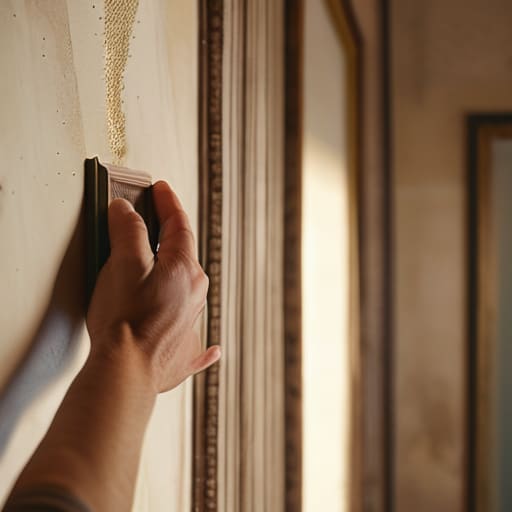
There’s a certain tension in the air when you’re standing before a blank expanse of plaster or drywall, knowing that what you’re about to hang carries the weight of a significant memory. It’s not just about the physics of gravity; it’s about where you choose to plant your roots. Using a stud finder for picture hanging isn’t just a technical necessity—it’s like scouting a location for a shoot. You aren’t just looking for wood; you’re looking for the structural integrity that will allow your piece to truly belong to the room. I’ve spent too many afternoons in old Brooklyn brownstones realizing that hanging art on drywall vs plaster requires a different kind of intuition, as those aged, thick walls can be as temperamental as a fickle light source.
If the geometry of your space doesn’t align perfectly with the studs, don’t panic. Sometimes the soul of a room demands a placement that defies the bones of the house. That’s when you lean on high-quality wall anchors for heavy weight. Think of them as the unsung heroes of the urban landscape—the hidden supports that keep everything from crumbling under pressure. Whether you’re securing a massive, weathered find or a delicate heirloom, the goal is to ensure that the connection between the object and the wall feels permanent, intentional, and entirely unshakeable.
Choosing Heavy Duty Picture Hanging Kits for Lasting Impact
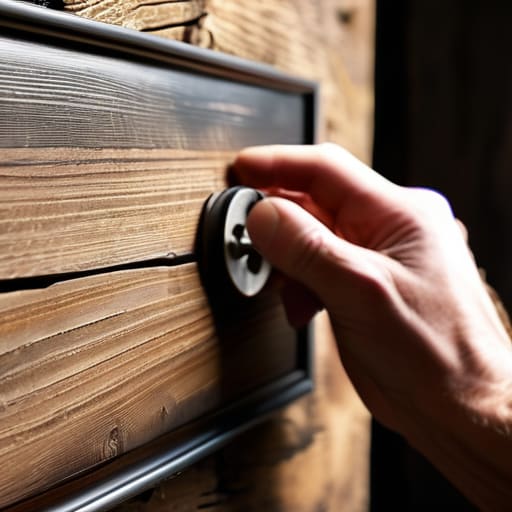
Once you’ve located that structural backbone with your stud finder, the next move is deciding what kind of “skeleton” your art needs to lean on. I’ve seen too many beautiful, heavy pieces—the kind with thick, reclaimed wood frames that feel like they have their own gravity—slip down a wall because someone underestimated the physics at play. You can’t just rely on a standard nail; you need to invest in proper heavy duty picture hanging kits that are rated for the specific mass of your piece. It’s a bit like choosing the right lens for a shoot; if the glass isn’t up to the task, the whole vision falls apart.
If you find yourself in a situation where you aren’t hitting a stud, don’t panic, but don’t get lazy either. The math changes significantly when you’re hanging art on drywall vs plaster, especially in those older Brooklyn brownstones where the walls have a mind of their own. In those cases, selecting high-quality wall anchors for heavy weight becomes your absolute priority. Whether it’s a massive, framed cityscape or even the daunting task of securing large mirrors to walls, the hardware is the silent guardian of your story. Choose the kit that matches the weight, and your memories will stay exactly where you intended them to be.
The Fine Details: Avoiding the Cracks in Your Composition
- Don’t trust your eyes alone; the way light hits a textured wall can play tricks on your sense of level. I always keep a spirit level handy—it’s the only way to ensure a heavy frame doesn’t look like it’s slowly sliding into an alleyway.
- Think about the weight distribution before you even pick up the drill. If you’re hanging a massive, heavy piece, try to use two points of contact rather than one; it spreads the tension across the wall, much like how a wide-angle lens distributes the weight of a cityscape.
- Check your hardware against the wall material one last time. There is nothing more heartbreaking than a heavy frame pulling a chunk of drywall down with it because you used a standard nail instead of a proper toggle bolt or anchor.
- Mind the “breathing room” around your frame. In my studio, I’ve learned that a heavy piece needs space to exist; if you crowd it too close to a corner or a light switch, you lose the narrative flow of the entire room.
- Always do a gentle “stress test” before you walk away. Once the frame is up, give it a very slight, careful nudge. If you feel even a hint of movement or hear a creak, it’s not ready. A story isn’t worth telling if the setting falls apart.
The Final Anchor
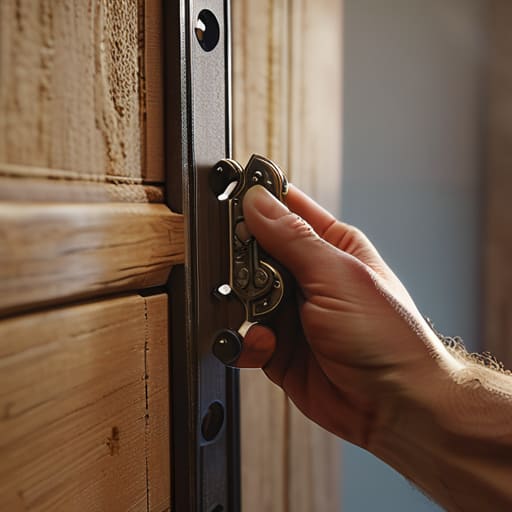
At the end of the day, hanging a heavy frame isn’t just about avoiding a hole in the drywall; it’s about the precision of the process. You’ve done the legwork—you’ve tracked down the studs, selected the right heavy-duty hardware, and ensured your anchors are capable of bearing the weight of your history. By combining the right tools with a bit of patience, you move from simply decorating a room to architecting a space. Don’t rush the leveling process or skimp on the quality of your hooks; the stability of your gallery depends entirely on that initial, meticulous connection between the metal and the structure behind the plaster.
As I sit here at my desk, surrounded by the heavy glass of my vintage Leica lenses, I’m reminded that we surround ourselves with these objects because they hold weight—not just physically, but emotionally. A large, framed photograph or a heavy piece of heirloom art is a way of pinning a moment to the present so it doesn’t drift away. When you finally step back and see that frame sitting perfectly level against the wall, you aren’t just looking at a piece of decor. You are witnessing a captured legacy that has finally found its home, standing firm against the relentless, shifting pulse of the world outside your window.