

Did you know over 40% of our daily actions are habits, not choices? This fact shows how much habits affect our lives and work. Many of us start the year with new goals, but only 19% keep them for more than two years. Knowing how habits form is key to changing our behavior for good.
Our brains love efficiency, turning routines into automatic actions. This is called neuroplasticity, which lets us change our brain for better habits. Seeing how habits work—by cues and rewards—can help us change for the better. Famous people like Michael Phelps and Howard Schultz show that good habits are vital for success.
Exploring habit science can improve our work and personal lives. My own journey with habits has changed how I live and decide. It shows the power of reflection and awareness in changing habits for the better.
Key Takeaways
- More than 40% of daily actions are habits, not conscious decisions.
- Only 19% of individuals maintain their New Year’s resolutions beyond two years.
- Neuroplasticity allows for rewiring the brain to form better habits consciously.
- Cue, routine, and reward are the three essential components of habit formation.
- Notable figures leverage the power of habits to achieve extraordinary success.
- Reflection and awareness are vital for effective behavior change.
The Power of Habits
Habits play a huge role in our lives, touching almost every part of our day. By learning about habit formation, I can understand my behaviors better. This lets me make changes that help me grow.
Habits follow a cycle called the habit loop. It has a cue, a routine, and a reward. This cycle helps me see what triggers my actions and what I get from them.
Understanding Habit Formation
A study at Duke University found that about 40 percent of our daily actions are habits. This shows how much we can change by focusing on these automatic behaviors. To start, I need to find out what cues start my routines.
Things like time, visual reminders, or emotions can be triggers. When I do the same thing over and over under the same cues, it becomes harder to change.
The Habit Loop
The habit loop is key in keeping habits the same or changing them. It has three parts: the cue, the routine, and the reward. For example, a late afternoon slump might make me snack because it feels good at the time.
Knowing these patterns helps me change my habits. I can keep the same cues and rewards but change the routine. This makes lasting changes easier. It’s also important to create an environment that supports these new habits.
Strategies for Building Better Habits
Building better habits involves several effective strategies. These can boost personal productivity. Two key concepts stand out: self-directed neuroplasticity and using immediate rewards. Both are vital for shaping positive behaviors.
Self-Directed Neuroplasticity
Self-directed neuroplasticity lets our brains create new pathways. This happens through experiences and conscious practices. It helps us change our behavior patterns by understanding our emotions and motivations.
By reflecting on our habits, we can make lasting changes. This reflective practice is key to personal growth.
Leveraging Immediate Rewards
Immediate rewards are key in forming habits. They tap into our brain’s reward systems, releasing dopamine. For example, linking exercise to fun activities like music or audiobooks boosts enjoyment.
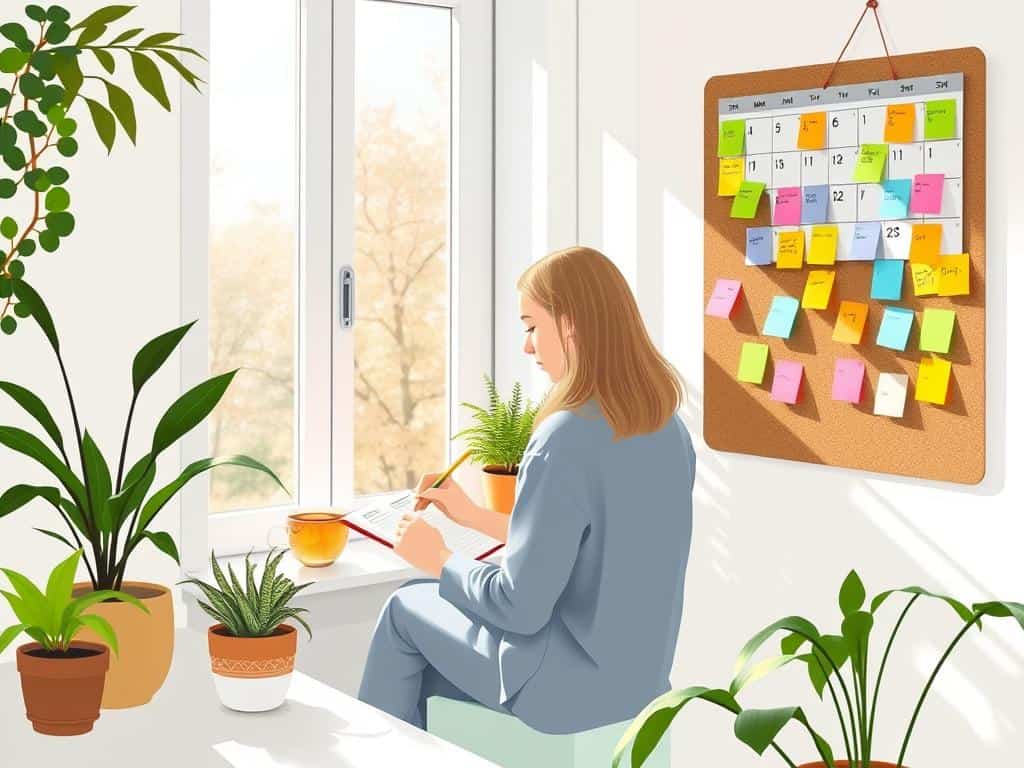
Adding enjoyable moments to our routines makes habits stick. Small steps are the base of effective habit formation. Monitoring progress and using visual cues help keep us motivated.
Conclusion
Habits shape our daily lives in subtle ways. They work behind the scenes as we go about our routines. By understanding these habits—cues, routines, and rewards—we can change our behavior. This knowledge lets us see which habits help or hinder our goals.
Changing habits is more than just doing different things. It’s about changing our minds through practice. We can make lasting changes by tweaking our habits or finding new rewards. Small changes can lead to big improvements in our lives and work.
Changing habits is a lifelong journey. It takes commitment and self-reflection. We can build our willpower by practicing it every day. As we work on changing our habits, we become more independent and prepared for challenges. This journey is about creating a better life for ourselves and others.
