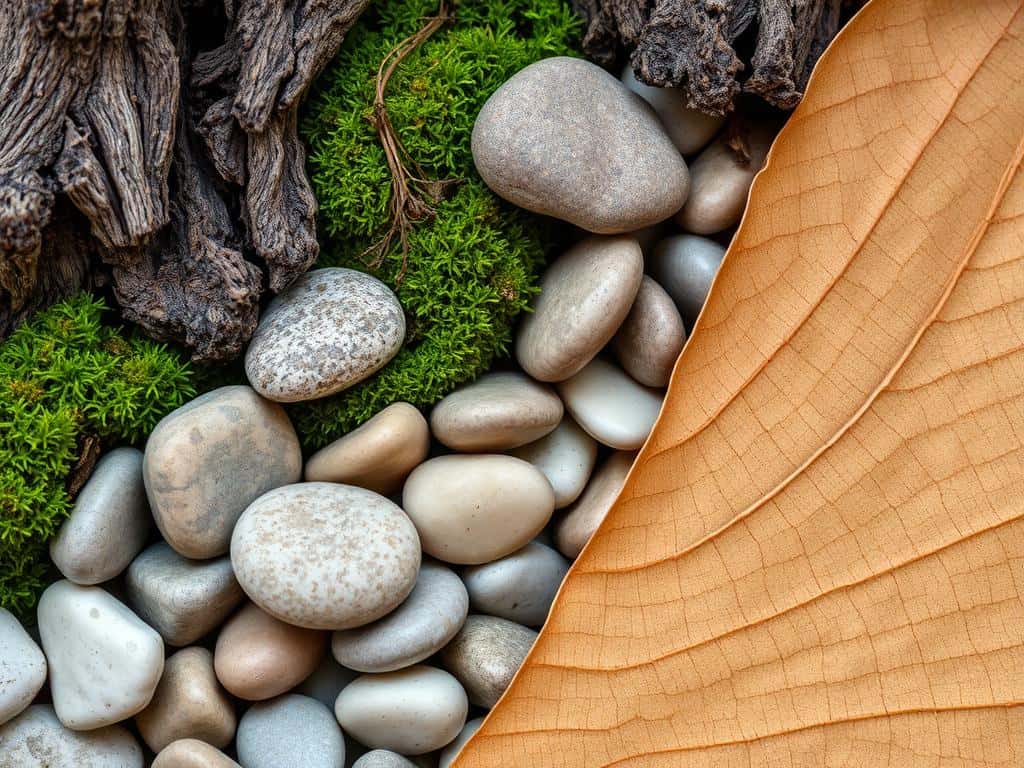

Did you know setting your aperture to f/6 or higher can make textures pop in your photos? As a texture photographer, I’ve found simple tricks can turn regular images into stunning visuals. By mastering close-up photography, or macro shots, I can show off creative details that add depth and interest.
Learning to observe and capture textures is key to making your images more engaging. These tips will show you how to use easy tricks to improve your photography. You’ll discover the beauty in everyday subjects.
Key Takeaways
- Setting aperture to f/6 or higher aids in achieving desired texture.
- Side lighting creates appropriate shadows, adding depth to images.
- Using macro lenses enhances the capture of intricacies.
- Positioning the camera at eye level can effectively showcase textures.
- Experimentation is key to discovering unique textures in your surroundings.
Understanding the Importance of Texture Photography
As a photographer, I see that texture is more than just looks. It helps show how my subjects feel and what they might look like in real life. By getting good at texture, I make pictures that really speak to people and grab their interest.
Defining Texture in Photography
Texture is about the feel of a surface. It tells us how something might feel if we touch it. From the smoothness of glass to the roughness of bark, textures are all different. Using light to show shadows and contours is key to making textures pop in my photos.
Why Textures Matter
Textures make photos richer and more meaningful. For instance, showing the softness of a baby’s hand against an older person’s can stir strong feelings. The right textures can make a photo tell a story, connecting viewers on a deeper level.
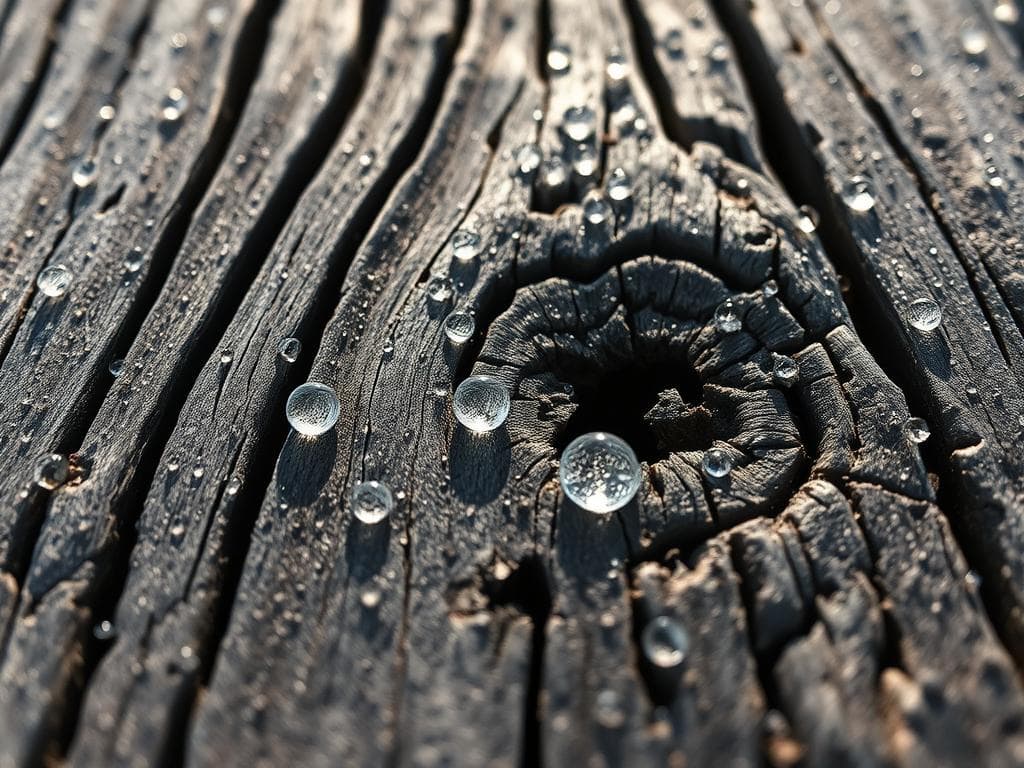
Texture Photography Tips for Capturing Amazing Shots
Starting on the texture photography path means choosing the right gear and learning about lenses and lighting. By paying attention to these, I can take amazing photos that show off textures and details.
Equipment Essentials
Having the right photography tools is key for clear and sharp images. A strong tripod is my go-to for keeping the camera steady. This is super important for capturing textures without blur.
When it’s dark or I’m using slow shutter speeds, the tripod’s stability is priceless. A macro lens lets me zoom in on tiny textures. It brings out the surface details, making the photos look amazing.
Choosing the Right Lens
Choosing the right lens is important for texture photos. I use a prime lens with a big aperture or a zoom lens with a medium aperture. This helps me get textures at different depths.
Using a macro lens at f/8 or higher gives me more control over what’s in focus. This way, I can make sure textures are sharp and detailed. Trying out different lenses helps me create a variety of textures in my photos.
Lighting Techniques
Lighting is critical for texture photography. The right light can make textures pop in photos. I avoid the camera’s built-in flash because it can flatten textures.
For outdoor shots, I love shooting on sunny days, using natural light. For indoor shots, I use off-camera lights like softboxes or ring lights. These lights help show off textures without harsh shadows. Learning these lighting tricks helps me make my photos more dimensional and detailed.
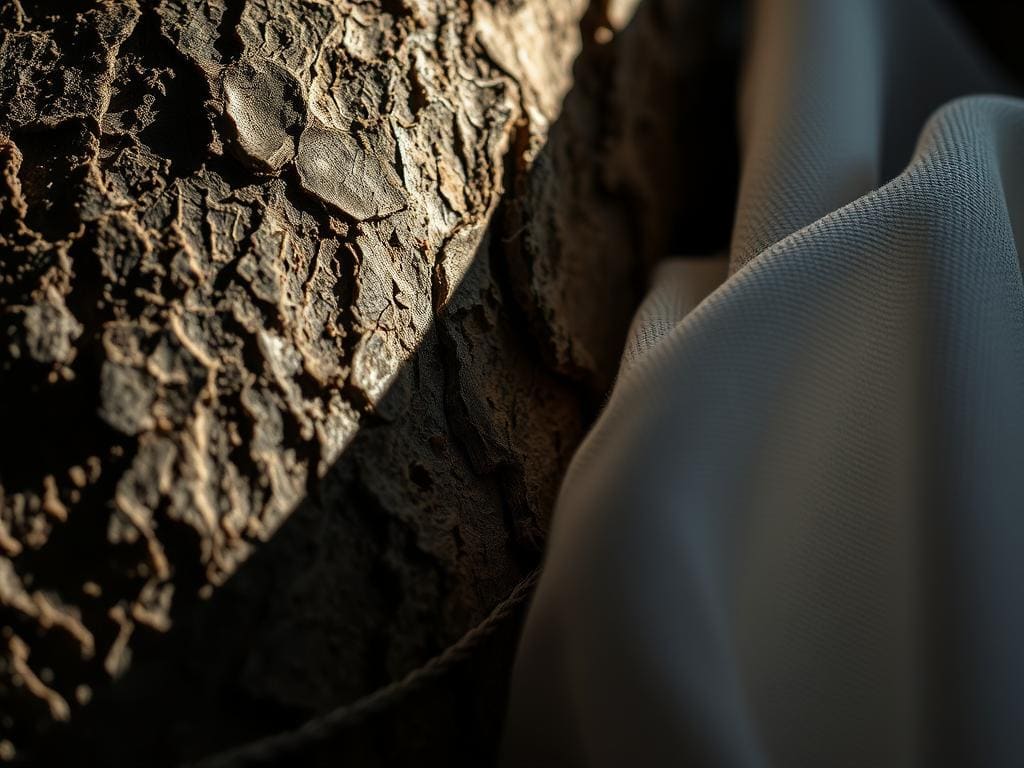
Techniques for Capturing Textures in the Natural World
Exploring nature reveals a world of stunning textures. These textures are waiting to be captured through my camera lens. From tree bark to leaves, the beauty of *natural textures* can make a photo stand out.
Finding Unique Textures
My search for unique textures often takes me to unexpected places. I find beauty in regular patterns like flowers or stones. But I also love the complexity of leaves on the forest floor.
Chaotic patterns, like crashing waves or tangled tree branches, show nature’s power. Seeing these textures helps me appreciate the environment more. It also makes my photos better.
Experimenting with Composition
Using *unique photography composition* techniques is key to showing off textures. The rule of thirds helps place elements for better focus. Adjusting the focal point lets me highlight certain textures.
I often use a smaller aperture, like f/8 or f/11, to keep everything sharp. Moving around the subject gives me new views. Leading lines guide the viewer’s eye, adding to the photo’s story.
By trying different techniques, I’ve learned to show nature’s textures in a new light.
Conclusion
In summary of texture photography, I’ve explored the importance of capturing detailed images. These images add depth and beauty to our stories. Choosing the right camera, like the Canon 5D Mark IV or Sony A7 IV, is key. Using a macro lens, such as the Canon EF 100mm f/2.8L IS USM, helps bring out the best in textures.
Manual focus and soft diffused lighting are also vital. They give me control over my shots. This way, I can highlight the unique textures in any subject.
Post-processing techniques are also important. Tools like Lightroom help make textures stand out. Long exposures and creative shutter speeds add movement and style to my photos. This makes my work unique and tells a deeper story.
My goal is to inspire others to explore texture photography. By paying attention to details, we can improve our photography. Each photo is a chance to share a tactile experience with our audience. It encourages them to see the beauty in the world’s textures.
