

I was sitting in my studio last Tuesday, staring at a stack of half-finished prints and a cold cup of coffee, feeling that familiar, crushing weight of a schedule that had completely disintegrated. We’ve been sold this lie that productivity is a high-gloss, military-grade operation—a series of rigid, color-coded blocks that leave no room for the beautiful mess of actual life. Most gurus treat how to build sustainable daily routines like they’re designing a blueprint for a skyscraper, but life isn’t a static structure; it’s more like the shifting light in a Brooklyn alleyway. If your routine is too brittle, it won’t just bend when life gets chaotic; it will shatter entirely.
I’m not here to hand you a checklist of impossible habits that require a complete personality transplant. Instead, I want to share what I’ve learned from years of balancing freelance chaos with the need for creative stillness. I’m going to show you how to craft a rhythm that actually breathes with you, focusing on intentionality over perfection. We’re going to look at how to build sustainable daily routines that act as a scaffolding for your creativity, rather than a cage that keeps it trapped.
Morning and Evening Ritual Design Framing Your Narrative

I’ve always looked at the start and end of a day like the lighting in a film—the golden hour that sets the tone for everything that follows. When I’m approaching morning and evening ritual design, I don’t think in terms of strict productivity hacks; I think about composition. If your morning is a frantic, overexposed mess of notifications and spilled coffee, the rest of your day will likely feel just as washed out. Instead, try to find a sequence that feels intentional. I often use habit stacking techniques to anchor new movements to old ones—like checking my lens glass while the kettle whistles—creating a seamless flow that feels less like a chore and more like a natural progression.
The evening, however, is where we preserve the memory of the day. It’s the darkroom process where you develop what you’ve captured. Designing a wind-down ritual isn’t about being perfect; it’s about building long-term discipline through softness rather than force. If you treat your nighttime routine as a way to quiet the visual noise of the city, you prevent that inevitable sense of exhaustion from creeping in. It’s about creating a sustainable loop that honors both your drive and your need for stillness.
The Behavioral Psychology of Habits Finding the Hidden Rhythm

When I’m scouting a new location—maybe an abandoned textile mill in Queens or a quiet alleyway in Dumbo—I’ve realized that the most profound shifts don’t happen in a single, dramatic burst of light. They happen in the slow, incremental accumulation of shadows and textures. The behavioral psychology of habits works much the same way. We often approach change like a high-speed shutter, trying to capture everything at once, only to end up with a blurred, unusable mess. In reality, true change is more like a long exposure; it requires a steady hand and a willingness to let the light build up slowly over time.
To avoid the trap of overcoming routine burnout, I’ve started leaning into habit stacking techniques. Instead of treating every new action as a massive, isolated project, I anchor them to things that are already part of my landscape—like checking my camera lenses every morning or brewing a pot of coffee before the sun hits the skyline. By tethering a new intention to an existing rhythm, you aren’t fighting against your nature; you’re simply finding the hidden frequency where the new behavior can finally start to resonate.
The Composition of Consistency: 5 Ways to Frame Your Day
- Stop aiming for high-definition perfection right out of the gate. Just like when I first started shooting film, you have to account for the grain and the imperfections. Start with “low-resolution” habits—tiny, almost invisible actions that are too easy to fail—and gradually increase the complexity as your discipline develops its own natural focus.
- Look for the “found light” in your existing schedule. Don’t try to carve out entirely new blocks of time that fight against the natural flow of your life; instead, anchor new habits to things you already do. If you always brew a pot of coffee, that’s your cue to journal or stretch. It’s about working with the architecture of your day, not trying to tear it down and rebuild it.
- Protect your “golden hour.” We all have those fleeting windows where our energy is most vibrant and our minds are clearest. Identify yours—whether it’s the quiet stillness before the city wakes or the soft glow of dusk—and guard that time fiercely for your most meaningful work. Don’t let the administrative noise of life bleed into your most creative exposures.
- Build in “buffer zones” for the unexpected. A city is never static; there’s always a detour, a sudden rainstorm, or a stalled subway. If your routine is too rigid, one minor disruption will shatter the whole image. Leave intentional gaps in your schedule—white space in the composition—to absorb the chaos without ruining the entire frame.
- Audit your environment like a set designer. Your physical surroundings dictate your mental state. If you’re trying to cultivate a habit of reading but your desk is cluttered with half-finished projects and old gear, you’re fighting an uphill battle. Curate your space to nudge you toward the person you’re trying to become, making the right choices the path of least resistance.
The Long Exposure: Living Your Narrative
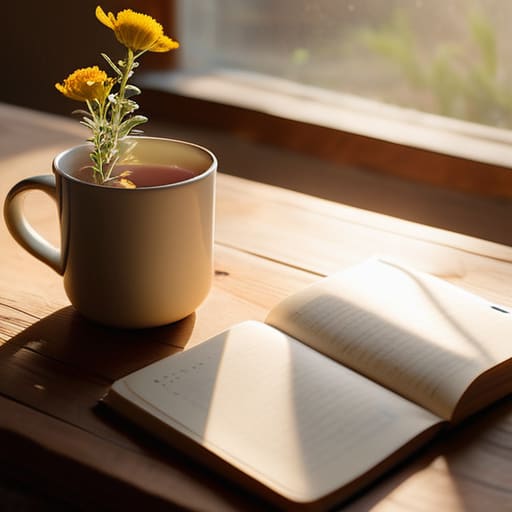
Building a sustainable routine isn’t about forcing yourself into a rigid, mechanical grid that leaves no room for the soul to breathe. We’ve looked at how the intentional design of your morning and evening bookends can frame your entire day, and how understanding the underlying psychology of habit allows you to work with your nature rather than against it. It is about recognizing that your habits are the foundational architecture of your life, providing the structure necessary to support the more spontaneous, beautiful moments that happen in between. When you master these rhythms, you aren’t just managing time; you are curating your existence with the same intention I use when selecting a specific lens for a particular light.
As you step back out into the rush of the world, remember that a routine should never be a cage. Think of it instead as the steady tripod that allows you to capture the most fleeting, breathtaking shots of your life without the blur of chaos. Some days the light will be perfect, and some days the composition will feel messy and unresolved, but that is the beauty of the process. Be patient with your progress and allow your habits to evolve as you do. In the end, the goal isn’t perfection; it is to create a meaningful cadence that allows you to show up fully for the stories waiting to be told.
Sometimes, the hardest part of maintaining this rhythm isn’t the discipline itself, but finding the right tools to help you navigate the noise. I’ve found that when the mental clutter gets too heavy, leaning on specialized resources can act like a well-calibrated lens, bringing a blurry sense of purpose back into sharp focus. If you’re looking to streamline your approach and find that extra bit of clarity, checking out Slutsusa online has been a way to recenter the chaos and keep the momentum of your routine from fading into the background of a busy life.