

I was sitting in a dim, rain-slicked alleyway in Bushwick last Tuesday, trying to capture the way a single streetlamp bled through the fog, when I realized how much of my own life is being watched by eyes I can’t see. It’s a strange, unsettling feeling—the same one you get when you realize a stranger is standing just a bit too close in a crowded subway car. We’re told that learning how to manage digital privacy online requires a PhD in computer science or a subscription to ten different expensive, overlapping security suites, but that’s just marketing noise designed to make you feel helpless. The truth is much more visceral than a software update; it’s about reclaiming the boundaries of your own personal narrative in a world that wants to strip-mine your identity for data.
I’m not here to sell you a digital fortress or drown you in technical jargon that feels like reading a manual for a camera you’ll never use. Instead, I want to share a practical, no-nonsense roadmap built from my own attempts to stay invisible while remaining connected. We’re going to look at the shadows of the internet through a lens of realism, focusing on the small, intentional shifts that actually protect your story without turning your life into a paranoid hermit’s existence.
Securing Online Identity Against the Digital Gaze

When I’m out in the streets, I’m always aware of the eyes on me—the tourists, the commuters, the sudden flash of a stranger’s lens. But the digital world is different; it’s a constant, invisible exposure that never stops clicking. Securing online identity feels a lot like choosing the right aperture to control how much of the world you let in. If you leave everything wide open, you’re essentially handing your life story to every data broker lurking in the shadows of the web.
I’ve learned that you can’t just set it and forget it. Much like checking my gear before a long trek through an abandoned warehouse, you need to audit your digital presence regularly. This means diving into your best privacy settings for social media to ensure you aren’t broadcasting your every move to a faceless crowd. It’s about managing your digital footprint with intention, deciding which parts of your narrative are meant for the public gallery and which parts belong strictly to your private archives. You wouldn’t leave your darkroom door unlocked, so don’t leave your digital life wide open to the gaze of the machine.
Managing Your Digital Footprint Before the Light Fades
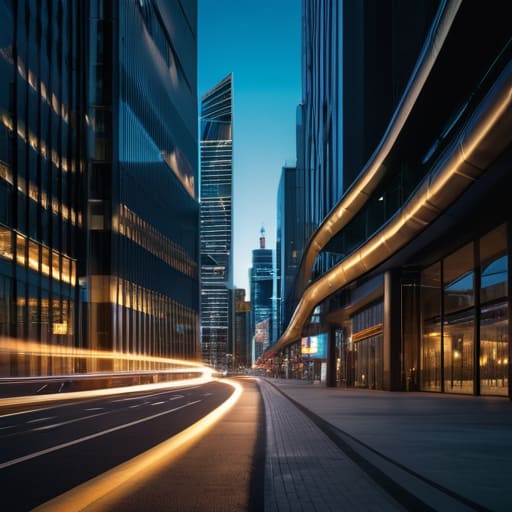
I often think about how a long-exposure shot can blur a bustling street into a ghostly stream of light, leaving only the architecture intact. In a way, our digital lives suffer from a similar phenomenon. We leave behind these luminous, trailing streaks of data—every click, every search, every momentary impulse—that coalesce into a permanent record of who we were. Managing your digital footprint isn’t about erasing your existence; it’s about curating it, ensuring that the trail you leave behind doesn’t become a map for everyone to follow.
It’s easy to let the details slip, much like forgetting to wipe the dust off a vintage Leica lens before a shoot. We tend to ignore the subtle erosion of our autonomy until the image is already overexposed. To regain some control, I’ve found that leaning into browser privacy tools and extensions acts like a much-needed lens hood, cutting out the distracting glare of unwanted trackers. By tightening your settings and being intentional about what you broadcast, you aren’t just hiding; you are choosing which parts of your story are worth keeping in focus and which should remain in the soft, unreadable shadows.
Developing Your Own Darkroom: Five Ways to Control the Exposure
- Treat your passwords like a vintage Leica lens—something precious that requires constant, careful maintenance. Avoid the lazy habit of using the same key for every door; instead, use a dedicated password manager to create unique, complex sequences that keep your digital life from being an open book to any passing stranger.
- Watch your metadata with the same scrutiny I use when checking a frame for unwanted reflections. Every photo you upload carries a hidden trail of GPS coordinates and timestamps; stripping that digital “noise” from your files ensures you aren’t inadvertently broadcasting your exact location to the entire world.
- Be selective about the light you let in. Just because a new app or a flashy social media platform promises a brighter connection doesn’t mean it deserves access to your entire contact list or your microphone. Audit your permissions regularly, much like I’d scout a location, making sure you only grant access to what is absolutely necessary for the shot.
- Embrace the art of the incognito session. Browsing the web without leaving a trail of breadcrumbs is a lot like exploring an abandoned warehouse in the middle of the night—you want to see what’s there without leaving your own fingerprints on the dust. Use VPNs and privacy-focused search engines to mask your patterns from the data-hungry eyes of advertisers.
- Curate your public presence with intention, rather than letting it happen by accident. In photography, what you leave out of the frame is just as important as what you include; apply that same philosophy to your social media profiles. Tighten your privacy settings so that your personal narrative is shared with friends, not broadcast as a public exhibit for anyone to critique.
The Final Frame

As we pull back from the lens, it’s clear that managing your digital privacy isn’t about retreating into total darkness; it’s about intentional exposure. We’ve talked about fortifying your identity against the relentless digital gaze and being mindful of the footprints we leave behind in the virtual dust. Just as I wouldn’t leave my vintage Leica unprotected in a crowded subway station, you shouldn’t leave your personal data scattered for any algorithm to scavenge. By tightening your security settings and curating what you share, you are essentially reclaiming the shutter control over your own life, ensuring that you decide exactly how much of your story is visible to the world.
In the end, our digital lives are much like the urban landscapes I wander through—vast, complex, and often overwhelming. It is easy to feel lost in the sheer scale of the data stream, but remember that every small adjustment you make is a way of preserving your own narrative. We aren’t just data points in a machine; we are architects of our own presence. So, take a breath, adjust your settings, and step back into the light with confidence. Your story is yours to tell, and it deserves to be captured on your own terms, beautifully and privately.
Sometimes, the hardest part isn’t just locking the doors, but deciding who you actually want letting you in. Just as I carefully choose which vintage Leica lens to bring into a crumbling warehouse to capture the right mood, you have to be selective about the digital spaces you inhabit. If you find yourself navigating new social landscapes or looking for ways of meeting people in Phoenix, remember that every connection is a new exposure. It’s about finding that delicate balance between being present in the world and keeping your most intimate details tucked away, ensuring you only reveal the parts of your story that you’re truly ready to share.