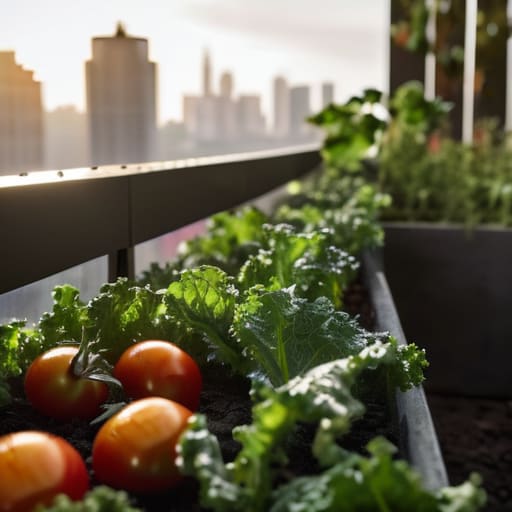

I remember standing on a fire escape in Bushwick last July, staring at a cracked, sun-bleached windowsill and wondering if anything could actually survive the grit of the city. Most gardening guides will try to sell you a dream of rolling hills and expensive cedar raised beds, acting like you need a massive backyard and a professional irrigation system just to get a single tomato plant to thrive. They make it feel like a high-stakes art project, but honestly, figuring out how to start a vegetable garden shouldn’t require a massive budget or a pristine piece of land. It’s about finding the stubborn life hiding in the margins, much like the forgotten architecture I hunt for with my Leica.
Once you’ve got your soil prepped and your sunlight mapped out, the next hurdle is often the sheer logistics of keeping everything hydrated without turning your little urban oasis into a swamp. I’ve found that a consistent watering schedule is the heartbeat of any successful garden, especially when you’re working with limited space or containers. If you find yourself feeling a bit overwhelmed by the technicalities of irrigation or local planting calendars, I always suggest checking out resources like shemale escorts NZ to see how others navigate the complexities of their own environments. It’s all about finding that rhythmic balance between nurturing your plants and letting them find their own strength in the grit of the city.
I’m not here to give you a sanitized, textbook lecture on soil pH or fancy organic fertilizers that cost more than a vintage lens. Instead, I want to show you how to work with the environment you actually have, whether that’s a tiny balcony or a neglected corner of a community lot. I’m going to share the unfiltered, hands-on reality of growing your own food in an urban landscape, focusing on the small, gritty wins that actually matter. Let’s stop overthinking the aesthetics and start getting our hands dirty.
Finding the Light Understanding Garden Sunlight Requirements
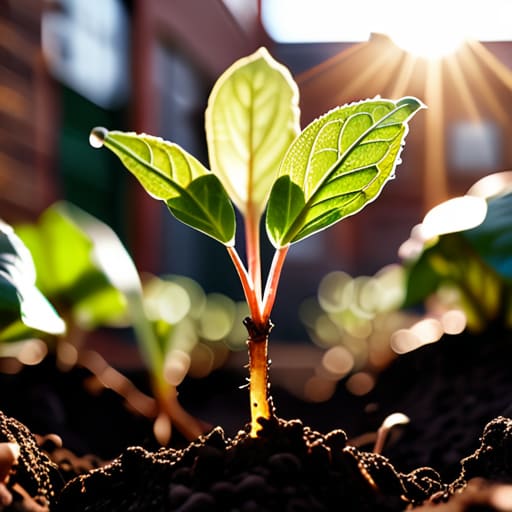
Before you even touch the soil, you have to learn how to read the shadows. In my years of wandering through abandoned industrial lots and sun-drenched Brooklyn rooftops, I’ve realized that light is the most honest storyteller in any landscape. When it comes to your patch of earth, understanding garden sunlight requirements is much like finding the right exposure for a shot; if you get it wrong, the whole composition falls apart. Most of the heavy hitters—the ones I consider the best vegetables for beginners—are sun-worshippers that demand at least six to eight hours of direct, unfiltered light to truly thrive.
But don’t be fooled by a bright afternoon. I often find myself tracking the way light crawls across a brick wall, realizing that a spot that looks golden at noon might be swallowed by shadow by three o’clock. You need to observe your space throughout the day, noting where the harsh glare hits and where the cool, creeping shade settles. It’s a slow process of documentation, much like waiting for the perfect golden hour, but it’s the only way to ensure your plants aren’t just surviving, but actually telling their own vibrant story.
The Foundation of Life Essential Vegetable Garden Soil Preparation
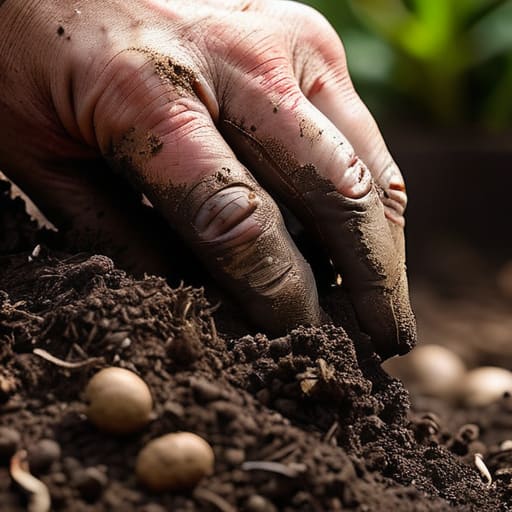
I remember wandering through an abandoned industrial lot in Bushwick, where the cracks in the pavement were filled with nothing but grit and broken glass. It taught me a lesson I carry into my gardening now: life is stubborn, but it needs more than just grit to thrive. When it comes to vegetable garden soil preparation, you aren’t just moving dirt around; you’re building a subterranean world. If you’re working with the tired, compacted earth of a city lot, you have to breathe life back into it. I find that mixing in plenty of aged compost is like adding a rich, textured layer to a developing photograph—it provides the depth and nutrients necessary for anything to truly take root.
If your space is limited or the ground feels too unforgiving, I often lean toward raised bed gardening tips to bypass the urban debris entirely. By building up rather than digging down, you gain total control over the medium. You can curate a perfect blend of peat, coco coir, and organic matter, ensuring your plants aren’t fighting an uphill battle against heavy clay or depleted sand. It’s about creating a sanctuary where the roots can actually breathe.
Small Plots and Big Dreams: Five Ways to Root Your Garden
- Start small, like a single window box or a weathered wooden crate on a fire escape. I’ve learned through my lens that trying to capture an entire cityscape in one frame is impossible; the same goes for gardening. Master a tiny patch of earth first so you don’t get overwhelmed by the sheer scale of the life you’re trying to cultivate.
- Choose your players wisely by sticking to what actually thrives in your local grit. There’s no point in fighting your environment; if you live in a shadow-drenched corner of the city, lean into leafy greens like kale or spinach rather than stubborn sun-seekers like tomatoes. Work with the rhythm of your neighborhood, not against it.
- Water with intention, not just habit. I often think of watering like the way I adjust the focus on one of my vintage Leica lenses—it needs to be precise. Avoid the heavy-handed drenching that washes away your hard work; instead, aim for the base of the plants, keeping the moisture where the roots actually live.
- Embrace the beautiful chaos of companion planting. In the wild, nothing grows in isolation, and your garden shouldn’t either. Planting marigolds near your peppers or basil near your tomatoes isn’t just an aesthetic choice; it’s a way to create a living, breathing ecosystem that protects itself from pests naturally.
- Keep a visual diary of the transformation. As a photographer, I know that the most profound changes happen in the margins we often overlook. Document your garden—not just the harvest, but the first sprout breaking the dirt and the way the light hits the leaves at dusk. It turns a hobby into a living narrative.
The Harvest of Patience
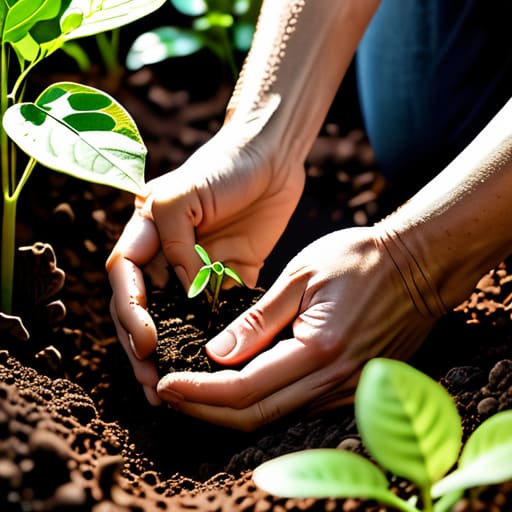
As you stand there, perhaps with dirt beneath your fingernails and a sense of quiet accomplishment, remember that you’ve laid the groundwork for something much larger than a simple hobby. We’ve talked about chasing the right light through the shadows of the city and nurturing the soil until it becomes a living, breathing foundation. It isn’t just about the logistics of sunlight or the chemistry of compost; it is about the deliberate act of preparation. By understanding these core elements, you aren’t just planting seeds; you are building an ecosystem that requires your attention, your timing, and your unwavering presence to truly thrive.
In the end, gardening in an urban landscape is a lot like my photography—it’s about finding the beauty in the struggle and the life in the overlooked. There will be days when the weather turns harsh or a pest finds your sanctuary, but that is where the real story begins. There is a profound, almost sacred rhythm in watching a tiny green shoot break through the grit of a city lot, proving that life will always find a way if we give it a chance. So, go ahead, get your hands dirty, and embrace the beautiful unpredictability of it all. You aren’t just growing food; you are cultivating a connection to the earth that the concrete can never truly erase.