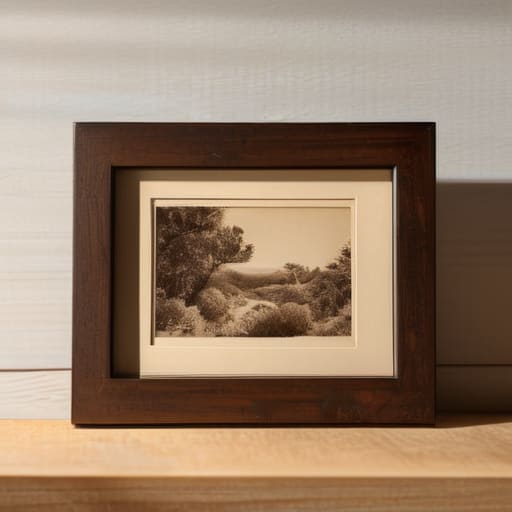

I was sitting in a dusty corner of a thrift shop in Bushwick last Tuesday, the kind of place where the air smells like old paper and forgotten intentions, when I found it: a hand-tinted postcard of a Brooklyn streetscape from the 1920s. As I held it, I realized how many people treat these tiny windows into the past like mere trinkets, shoving them into cheap, plastic sleeves or, worse, using tape that will devour the very history they’re trying to save. We’ve been sold this idea that you need a custom museum budget to properly handle your finds, but honestly, most of the high-end advice regarding framing methods for vintage postcards is just overpriced noise designed to separate you from your cash.
I’m not here to sell you on expensive glass or pretentious gallery setups that strip the soul out of the image. Instead, I want to share what I’ve learned from years of documenting urban decay and preserving fragile artifacts: how to choose framing methods for vintage postcards that actually respect the grit and the story of the piece. I’ll walk you through the practical, no-nonsense ways to protect your collection from light and moisture without losing that raw, authentic connection to the era they represent.
The Art of Acid Free Mounting for Ephemera
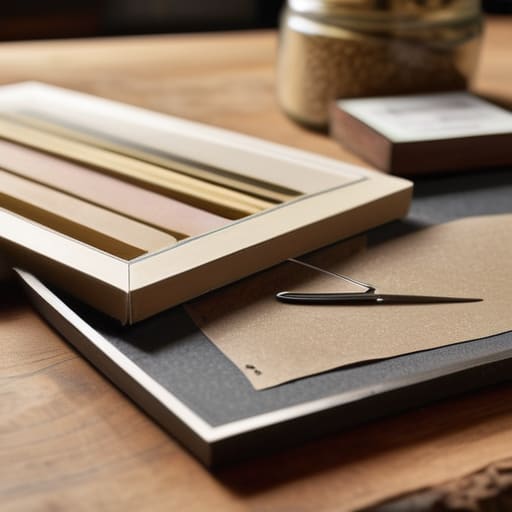
When I’m out in the field, hunting for those weathered scraps of history in dusty flea markets, I always tell people that the real work begins once you bring them home. It’s one thing to find a piece of history; it’s another to ensure it doesn’t crumble into nothingness. If you’re serious about acid-free mounting for ephemera, you have to move beyond the standard craft store supplies. I’ve learned the hard way that anything containing lignin is a slow-acting poison for old paper. You want to use archival-grade adhesives or, better yet, mounting corners that allow the piece to sit securely without actually touching a drop of glue.
The goal is to create a micro-environment that breathes but stays protected. I often lean toward archival quality matting to provide a structural buffer between the postcard and the glass. This gap is vital; it prevents moisture from being trapped against the surface, which is a primary culprit in preventing postcard discoloration over the long haul. Think of it as building a tiny, safe sanctuary for a moment in time, ensuring that the ink and the paper can age gracefully without the indignity of foxing or yellowing.
Securing the Light Uv Protection for Antique Paper
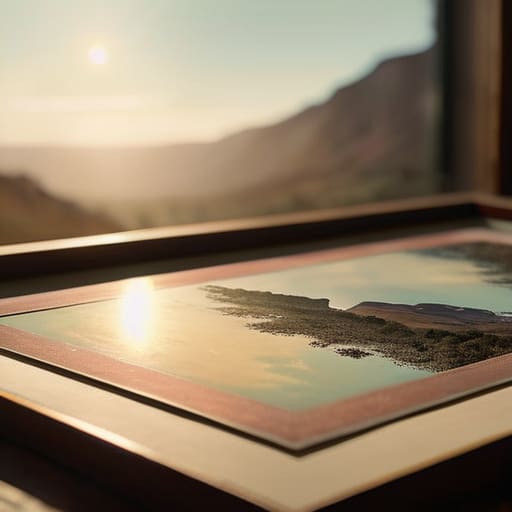
There’s a certain heartbreak in seeing a vibrant, hand-tinted scene from 1920 slowly surrender its color to the sun. I’ve seen it happen too often in my own collections—that slow, cruel fade where the deep sepia turns to a ghostly wash. If you’re serious about preventing postcard discoloration, you have to treat light as both your medium and your enemy. It’s not just about where you hang the piece, but how you shield it from the invisible bombardment of ultraviolet rays that eat away at the very soul of the paper.
When I’m selecting materials for a new project, I never settle for standard glass. Investing in museum-grade acrylic or UV-filtering glass is non-negotiable; it’s the only way to ensure that the light hitting your walls doesn’t become a slow-motion wrecking ball. Pairing this with archival quality matting creates a necessary buffer, keeping the delicate edges of the card away from the glass surface while providing a secondary layer of defense. It’s a bit of extra work, sure, but it’s the difference between a fleeting glimpse and a legacy that actually lasts.
Beyond the Glass: Five Ways to Honor the Soul of Your Postcards
- Give them room to breathe. Never let the glass press directly against the surface of the card; use a mat to create a tiny buffer zone. It prevents that dreaded sticking that happens when humidity creeps in, preserving the texture of the paper.
- Choose your mounts with intention. Avoid those cheap, mass-produced adhesive strips that promise a quick fix. Instead, opt for archival linen or cotton rag mats that provide structural support without introducing the chemical rot that eats away at old ink.
- Mind the shadows. When you’re choosing a frame, consider how the light hits it in your room. A deep shadowbox can add a layer of dimension, making the postcard feel less like a flat object and more like a window into a vanished street corner.
- Watch the “off-gassing.” If you’re using a wooden frame, make sure it’s been properly sealed or is a stable, archival wood. Some cheap finishes release vapors that can cloud the very history you’re trying to protect.
- Curate the narrative, not just the collection. Don’t just frame them in a sterile row. Group them by the mood they evoke—maybe a series of sun-bleached seaside scenes or a collection of gritty, black-and-white cityscapes—to turn a simple display into a visual story.
Beyond the Glass
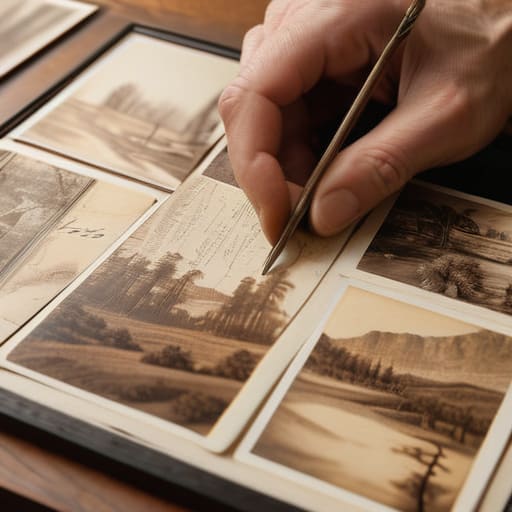
At the end of the day, preserving these tiny windows into the past requires more than just a quick trip to a craft store; it demands a commitment to the integrity of the medium. We’ve talked about the necessity of acid-free mounting to prevent that slow, creeping yellow decay and the non-negotiable role of UV protection to keep the sun from bleaching away the very soul of the image. By choosing materials that respect the delicate chemistry of antique paper, you aren’t just putting a piece of cardstock behind glass—you are actively slowing down time and ensuring that the ink and texture remain as vivid as the day they were first mailed.
As I sit here at my desk, glancing at the heavy vintage Leica lens acting as a paperweight over my latest proofs, I’m reminded that we are all just temporary custodians of history. These postcards are more than mere ephemera; they are the tactile echoes of voices long silenced and streets that have since been redesigned. When you finally hang that framed piece on your wall, don’t just see it as decor. See it as a living connection to a moment that once was, a small but defiant victory against the inevitable fading of memory. Keep looking, keep capturing, and most importantly, keep protecting the stories that deserve to be told.
Sometimes, the hardest part isn’t the physical preservation, but finding the right headspace to decide which pieces truly deserve a place on your walls and which should stay tucked away in a private archive. I often find myself spiraling into deep research or seeking out new perspectives when I’m stuck on a creative choice, and lately, I’ve been using this chat site to bounce ideas around and clear the mental fog. It’s become a bit of a quiet ritual for me—a way to process the weight of the history I’m holding in my hands before I commit to a permanent display. Finding that creative clarity is just as vital as the archival glue you choose.