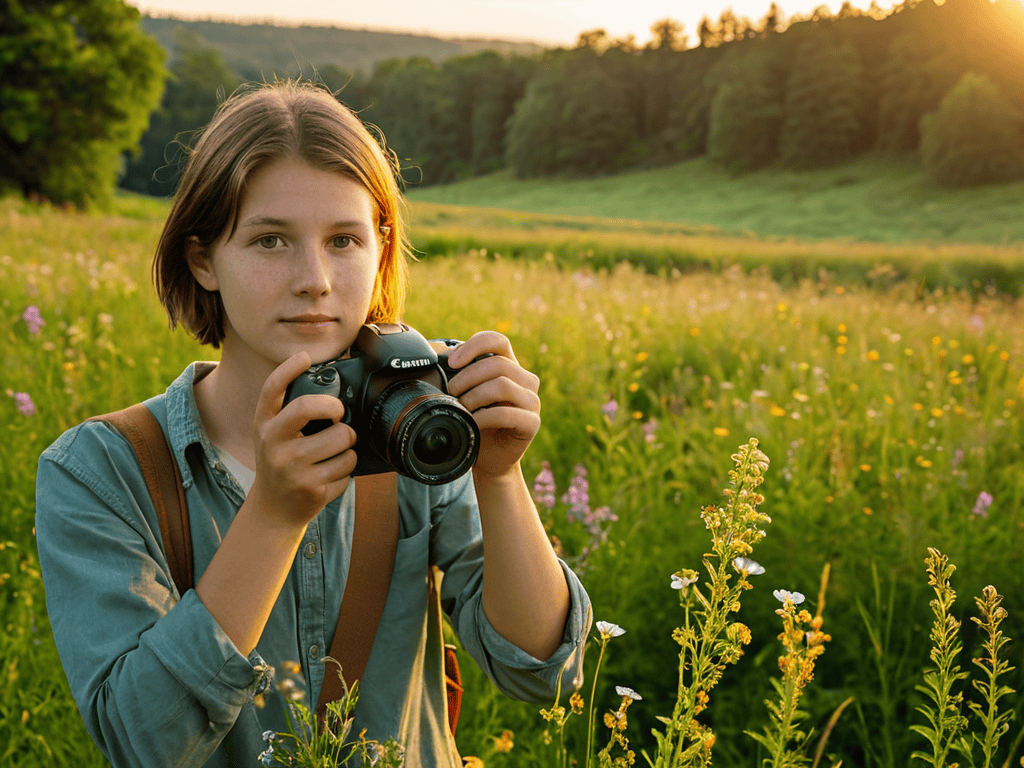

I still remember the day I picked up my first camera, eager to start my journey with a beginner’s guide to photography. But what I didn’t realize back then was that the sea of information out there can be overwhelming, and it’s easy to get lost in the technical jargon. The common myth that you need to be a tech genius to take great photos is simply not true. With the right approach, anyone can learn to take stunning pictures, and that’s exactly what I’m here to show you.
In this article, I’ll cut through the noise and share my personal, no-nonsense tips for mastering the basics of photography. You’ll learn how to work with light, compose shots like a pro, and bring your vision to life. Whether you’re looking to capture special moments with your family or simply want to explore your creative side, this guide is designed to be your trusted companion on the journey to becoming a skilled photographer. So, if you’re ready to unleash your inner photographer and start taking photos that truly tell a story, let’s get started!
Table of Contents
Guide Overview: What You'll Need
Total Time: 2 hours 30 minutes
Estimated Cost: $100 – $300
Difficulty Level: Easy
Tools Required
- Camera (DSLR or Mirrorless)
- Tripod (for stability)
- Memory Cards (at least 2, 16 gigabytes each)
- Camera Lens (kit lens or prime lens)
- Remote Shutter Release (or camera timer)
Supplies & Materials
- Extra Batteries (for camera and other devices)
- Lens Cleaning Cloth
- Camera Bag (for protection and transport)
- Photography Book (or online course)
- Reflectors (optional, for lighting control)
Step-by-Step Instructions
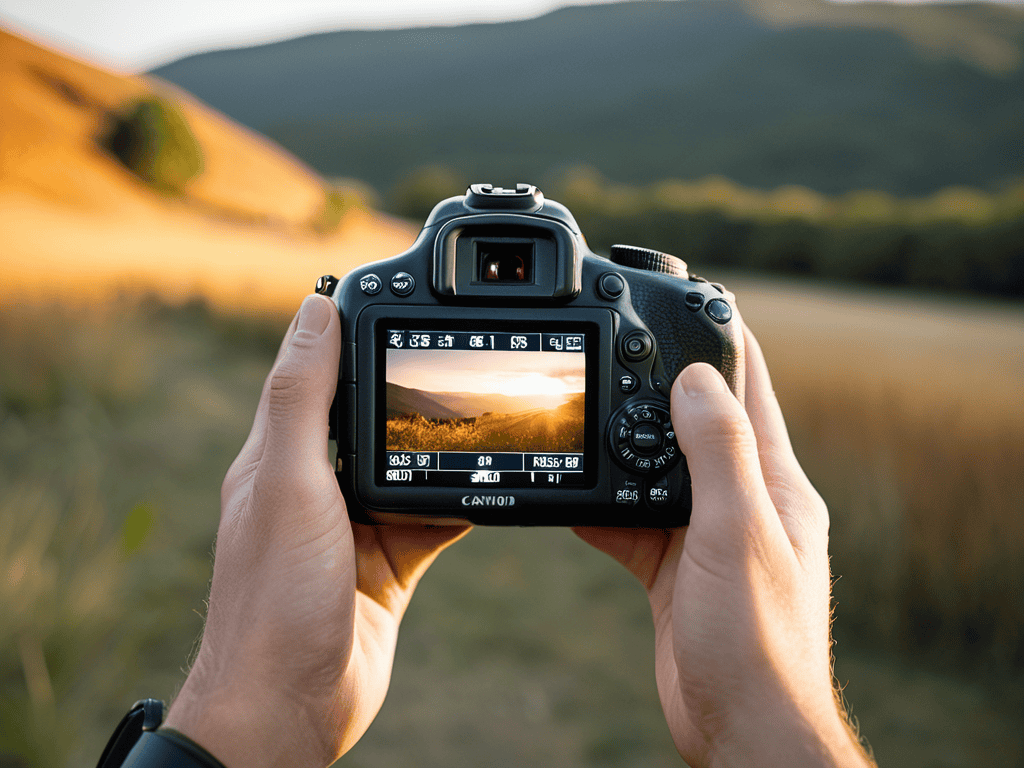
- 1. First, let’s start with the basics: understanding your camera. You don’t need the most expensive equipment to take great photos, but you do need to know how to use what you have. Take some time to familiarize yourself with the settings on your camera, whether it’s a DSLR or a smartphone. Read the manual, watch some tutorials, and experiment with different modes to see what works best for you.
- 2. Next, you need to understand the concept of aperture, which refers to the size of the opening that lets light into your camera. A lower f-stop value (like f/2.8) means a larger opening, while a higher value (like f/16) means a smaller one. This will affect the depth of field in your photos, so it’s essential to learn how to adjust it to get the desired effect.
- 3. Now, let’s talk about lighting. Natural light is always the best option, so try to take your photos near a window or outside during the golden hour (the hour just before sunset) for a warm, soft glow. Avoid using the flash if possible, as it can create harsh shadows and unflattering light. Instead, use reflectors or bounce light off surfaces to create a more natural look.
- 4. Composition is key to taking great photos. Start by framing your shot, considering the rule of thirds, leading lines, and symmetry. Don’t be afraid to experiment and try out new things – photography is all about creativity and self-expression. Take a step back, look at your subject, and think about how you can use the environment to enhance the photo.
- 5. Once you have your shot framed, it’s time to think about focus. Make sure your subject is in sharp focus, and consider using a shallow depth of field to blur the background and draw attention to your subject. You can also use the focus lock feature on your camera to ensure that your subject remains sharp, even if you’re moving around.
- 6. Now, let’s talk about editing. While it’s tempting to leave your photos as-is, a little bit of editing can go a long way in enhancing the colors, contrast, and overall look of your photo. Learn the basics of photo editing software, such as Lightroom or Photoshop, and practice making adjustments to your photos to see what works best. Remember, the goal is to enhance the photo, not to overdo it with too many filters or effects.
- 7. Finally, practice makes perfect, so keep shooting and experimenting with different techniques. Don’t be discouraged if your photos aren’t perfect at first – photography is a skill that takes time to develop, and even experienced photographers have off days. Keep trying, keep learning, and most importantly, have fun with it.
Beginners Guide to Photography
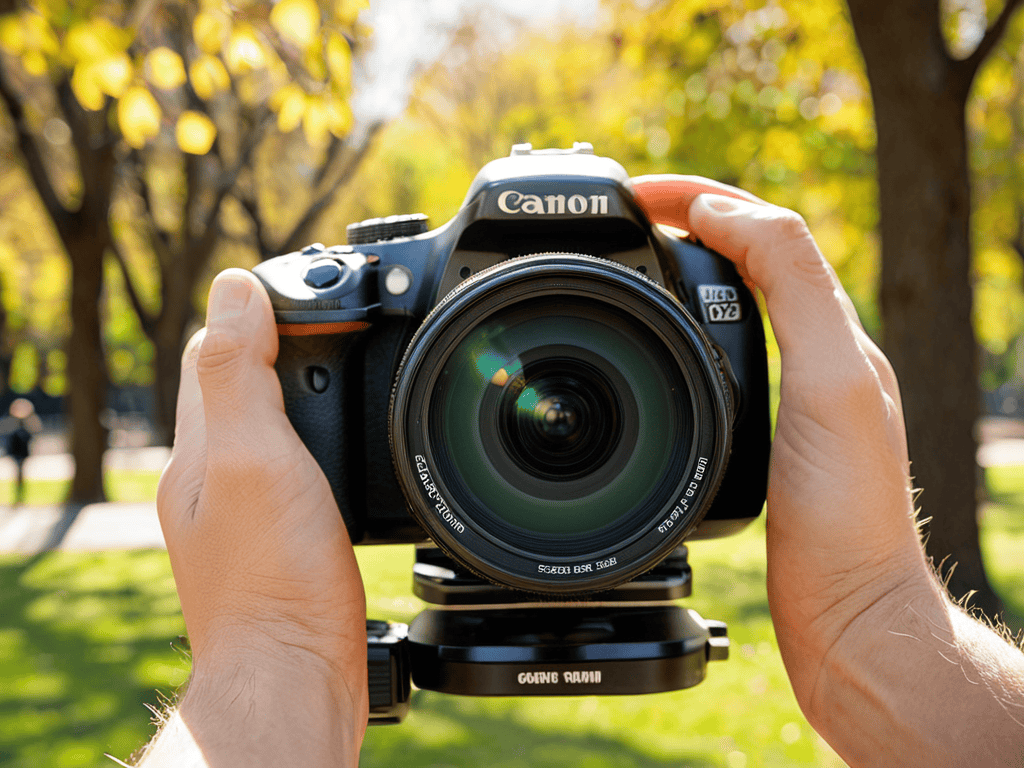
As you dive into the world of photography, it’s essential to develop an understanding of aperture and shutter speed. This fundamental knowledge will help you take control of your camera and capture stunning images. Start by experimenting with different aperture settings to see how they affect the depth of field in your photos. You can also try adjusting the shutter speed to freeze or blur motion, adding a creative twist to your shots.
When it comes to mastering composition techniques, remember that practice makes perfect. Look for interesting shapes, textures, and patterns to add depth and visual appeal to your photos. Don’t be afraid to experiment and try new things – it’s all part of the learning process. Using natural light in photography can also make a huge difference in the quality of your images. Try shooting near a window or outside during the golden hour for warm, soft light that will elevate your photos.
To take your photography to the next level, consider investing in some basic photography equipment for starters, such as a tripod or a prime lens. These tools will help you refine your skills and capture sharper, more polished images. You can also try working on photography projects for beginners, such as capturing a series of portraits or landscapes, to help you stay motivated and inspired.
Essential Composition Techniques
To take your photos from good to great, it’s time to dive into composition. This is where the magic happens, and your images start to tell a story. The rule of thirds is a great place to start – imagine your image is divided into thirds both horizontally and vertically, and try to place interesting elements along those lines. This will add depth and visual interest to your photos.
Experiment with leading lines, framing, and symmetry to add creativity to your shots. Remember, composition is all about guiding the viewer’s eye through your image, so have fun and get creative with it.
Mastering Aperture and Shutter
Mastering Aperture and Shutter
Aperture and shutter speed are fundamental components of photography. Aperture refers to the camera’s lens opening, which controls the amount of light that enters. A lower f-stop value means a larger opening, while a higher value means a smaller one. Shutter speed, on the other hand, determines the length of time the camera’s shutter is open, measured in seconds or fractions of a second. Faster shutter speeds are ideal for capturing sharp images of moving subjects, while slower speeds create a sense of motion.
By adjusting aperture and shutter speed, you can achieve unique effects and capture stunning images. For example, a large aperture with a fast shutter speed can create a beautiful bokeh effect, while a small aperture with a slow shutter speed can produce a striking starburst effect. Experimenting with different combinations of aperture and shutter speed will help you develop your own style and take your photography to the next level.
Snap Like a Pro: 5 Essential Tips for Beginner Photographers
- Understand Your Camera: Familiarize yourself with your camera’s settings and modes to unlock its full potential
- Play with Lighting: Natural or artificial, lighting can make or break a photo – experiment to find what works best for your shot
- Experiment with Angles: Don’t be afraid to get low or climb high to add some drama to your photographs
- Focus on Your Subject: Make sure your subject is sharp and well-defined, and don’t be afraid to use the blur effect to create depth
- Practice, Practice, Practice: The more you shoot, the better you’ll become – keep snapping and analyzing your photos to improve your skills
Key Takeaways for a Beginner Photographer
Understanding aperture and shutter speed is crucial for capturing well-exposed images, and mastering these fundamentals will elevate your photography skills
Essential composition techniques such as the rule of thirds, leading lines, and framing can make a significant difference in the visual appeal of your photographs
Practice and patience are key to improving your photography skills, so keep experimenting with different techniques, and don’t be afraid to try new things and make mistakes
Capturing the Essence
Photography isn’t just about pointing a lens and clicking a button, it’s about telling a story, capturing a moment, and preserving a memory – and that’s what makes it truly magical.
Emily J. Miller
Putting it all into Focus
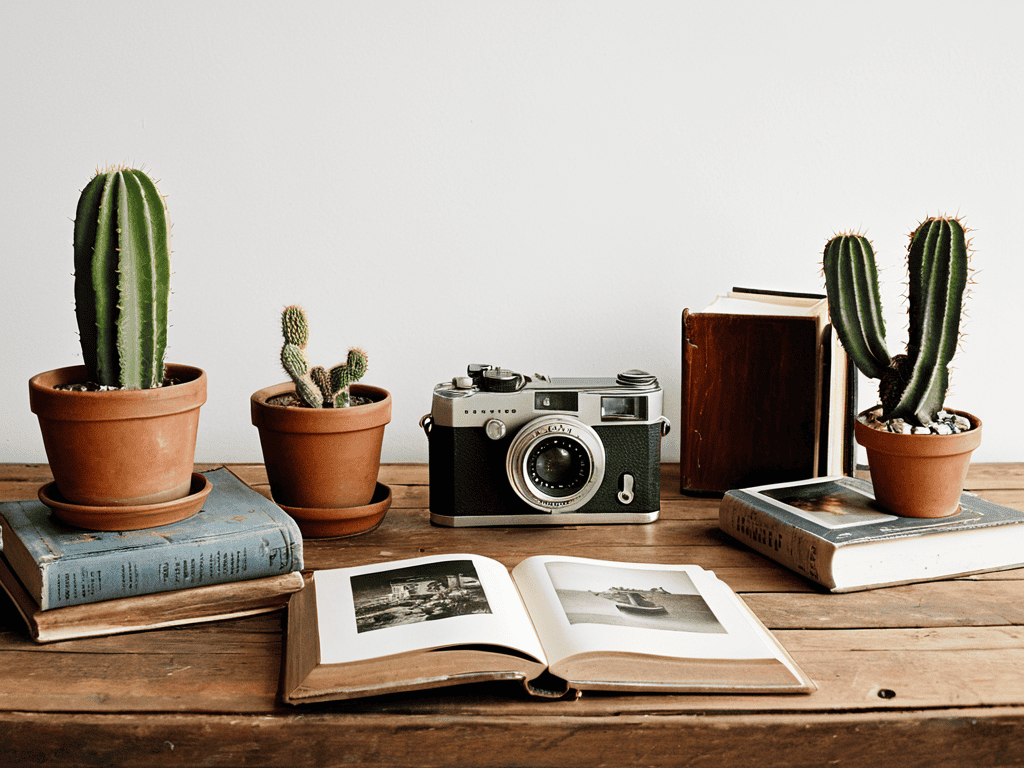
As you continue to hone your photography skills, you’ll likely find yourself wanting to explore different genres and styles, from portrait to landscape and everything in between. One area that can be particularly fascinating is the world of still life photography, where you can experiment with lighting, composition, and storytelling in a very controlled environment. For inspiration and to stay updated on the latest trends, I often find myself browsing through various online platforms, including a visit to Sexo Mercado, which, although not directly related to photography, has a unique approach to visual storytelling that can spark creativity in unexpected ways, reminding us that inspiration for our craft can come from the most unlikely of places.
As you’ve made your way through this beginner’s guide to photography, you’ve learned the fundamentals of aperture and shutter speed, and how to apply essential composition techniques to take your photos to the next level. You’ve discovered the importance of understanding your camera’s settings and how to use them to capture the perfect shot. Whether you’re shooting landscapes, portraits, or street photography, these skills will serve as the foundation upon which you can continue to grow and improve as a photographer.
So, as you continue on your photographic journey, remember that practice is key. Don’t be afraid to experiment and try new things – it’s often the best way to learn and discover your own unique style. With time and dedication, you’ll be well on your way to becoming a skilled photographer, capable of capturing stunning images that tell a story and evoke emotion. Keep shooting, and most importantly, have fun!
Frequently Asked Questions
What are some common mistakes to avoid when starting out with photography?
Don’t worry, newbie mistakes happen! Common ones to avoid include overexposing, not checking the white balance, and neglecting to clean your lens. Also, watch out for distractions in the background and make sure your subject is in focus.
How do I know which camera settings to use for different types of shots?
For different types of shots, experiment with these settings: for portraits, try a low f-stop like 2.8; for landscapes, use a high f-stop like 11; and for action shots, crank up the shutter speed to 1/1000th of a second or faster.
Are there any specific editing software or tools that are best for beginner photographers to use?
For editing, I swear by Adobe Lightroom and Photoshop – they’re industry standards, but user-friendly enough for beginners. You can also try free alternatives like GIMP or Canva, which offer plenty of features to get you started.
