

Did you know most photo editing software, like Adobe Lightroom and Capture One, has great color grading tools? These tools can make your photos look amazing. Learning color grading is more than just a technique; it can turn a simple photo into a powerful story.
Over nearly two years, I learned how to mix adjustment layers like Hue/Saturation, Curves, and Levels. This helped me create edits that feel deeply emotional. Knowing color theory is key to great color grading. It lets photographers use colors to express themselves.
As I tried different techniques, I found that focusing on certain colors can reveal new possibilities. Split toning adds contrast to images. With time and practice, I realized there’s no one “right” way to color grade. Every photographer can find their own style. Let’s explore some essential tips to improve your photo editing and get amazing results!
Key Takeaways
- Robust color grading tools are available in most photo editing software.
- Understanding color theory enhances your color grading effectiveness.
- Using RAW files allows greater control during color grading.
- Experimentation is key to mastering color grading techniques.
- Presets are helpful but should be individually adjusted for optimal results.
- Techniques like split toning can create dynamic visual contrast.
Understanding Color Grading in Photography
Color grading is key in photography. It changes the colors of an image to create a mood or emotion. This makes my photos stand out, going from good to great.
Tools like Adobe Lightroom and Photoshop help me adjust colors. They let me tweak midtones, shadows, and highlights. It’s important to balance temperature and tint first. This makes the image ready for color grading.
Using colors that complement each other can warm up highlights and cool down shadows. This natural effect boosts the photo’s look. Color grading is more than fixing exposure or contrast. It’s about making colors fit my artistic vision.
Getting good at color grading takes time and practice. I use sliders and wheels to make fine adjustments. Range masks give me even more control, letting me grade different parts of the image separately. This helps make digital photos better and more creative.
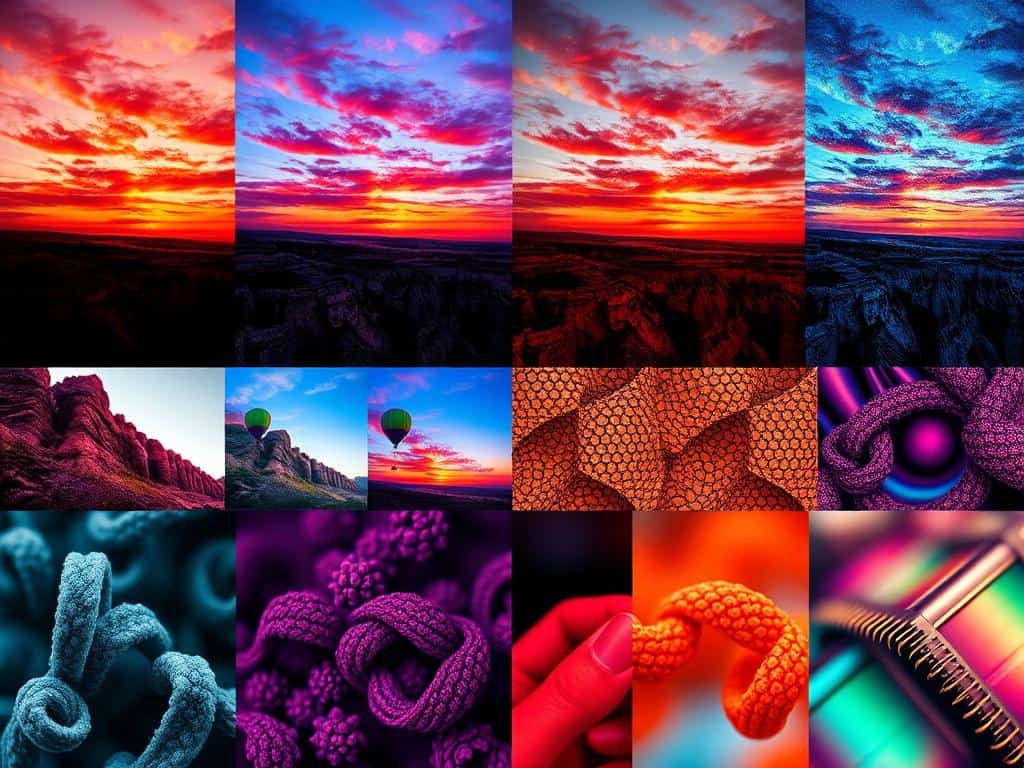
Color Grading Tips for Stunning Edits
Mastering color grading can make your edits truly stunning. It’s all about using the right color grading tips. You need to balance your images and understand color theory first. These steps are the foundation of great editing.
Balancing Your Image Before Grading
Getting your image balanced before you start grading is key. You should lift shadows and adjust highlights carefully. This way, your color grading won’t make existing issues worse. It helps create a smooth and polished look.
Understanding Color Theory
Knowing color theory is vital for color grading. Colors can make viewers feel certain emotions. Warm colors like reds can feel cozy, while cool colors like blues can be calming.
Learning about complementary and analogous colors helps you mix colors in creative ways. This makes your visuals more engaging and rich.
Creative Techniques for Color Grading
Using creative techniques can really enhance your storytelling. Techniques like gradient filters or split toning add depth. Presets can be a good starting point, but you can always tweak them.
Trying to recreate a favorite film look can also help you grow. It pushes you to think outside the box and innovate with color grading.
Conclusion
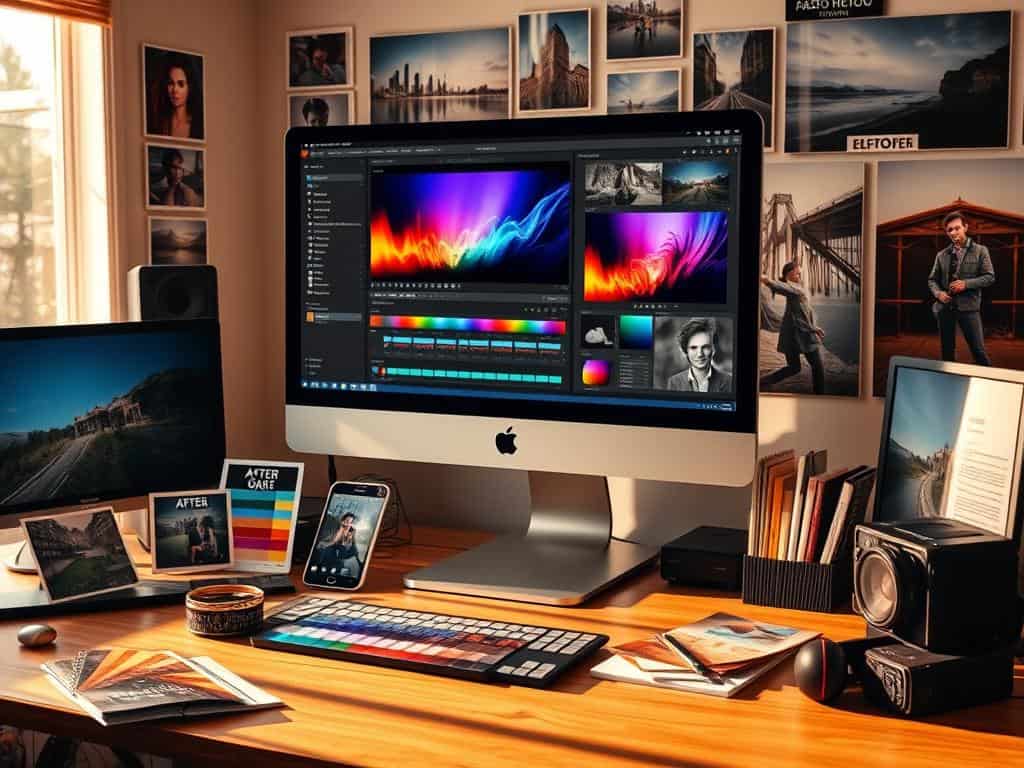
Color grading is more than just making photos look better. It’s a skill that makes my photos tell a story. This skill lets me add a special color look to my photos after they’re taken. It starts with making sure the colors are right first.
Learning to adjust curves and color channels is key. It helps me choose colors that make people feel something. Whether it’s a primary, secondary, or tertiary color, it’s all about the feeling it gives.
The way shadows, midtones, and highlights work together in my photos is important. It helps my audience connect with the photo on a deeper level. This makes the photo more than just a picture; it’s a story that touches the heart.
Color grading is a team effort, just like in filmmaking. It’s about sharing ideas and working together to make something special. This teamwork makes the final product even better.
As I keep getting better at color grading, I see how important it is to my art. It lets me turn simple photos into something amazing. My goal is to not just grab attention but to tell the stories behind each photo.
