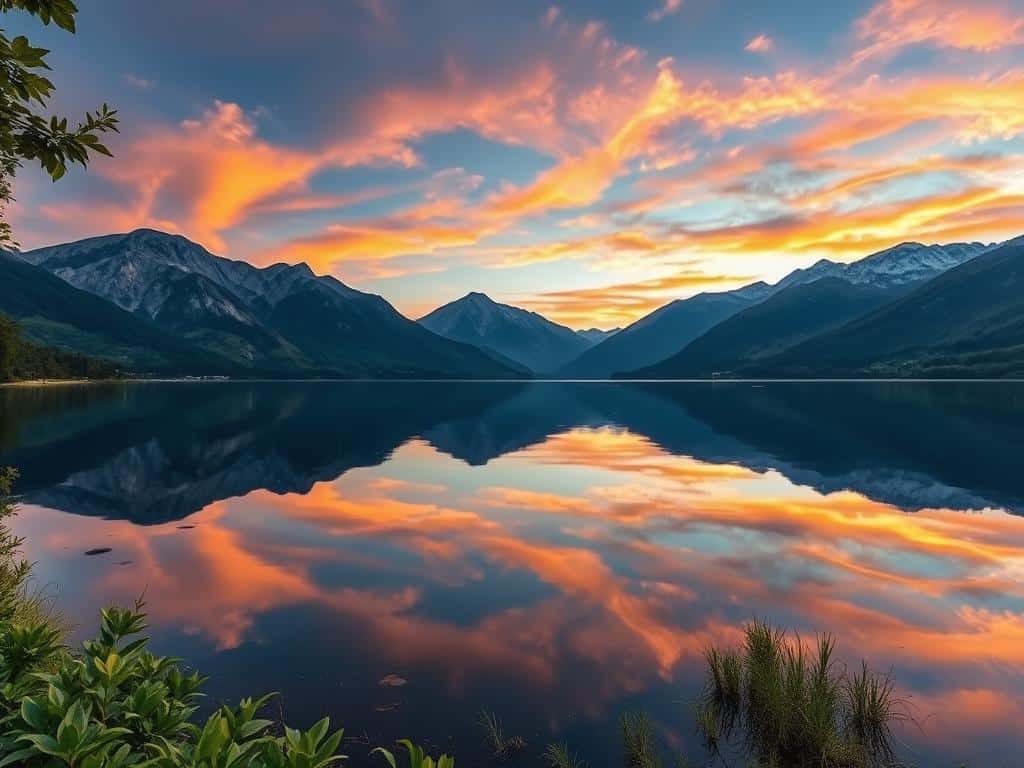

Did you know that nearly 80% of photographers use reflections to add interest to their photos? Reflection photography is not just a technique; it’s a beautiful art form. It lets us see the world in a new way. By using reflective surfaces like water, glass, and metal, I can turn simple scenes into stunning mirror images.
This article will share key tips for reflection photography. You’ll learn how to capture these amazing visuals.
Exploring reflection photography, I’ll focus on mastering the basics. This includes capturing incredible water shots and symmetrical photos. By understanding the science behind reflections and trying new techniques, anyone can improve their photography skills.
Key Takeaways
- Reflections can significantly enhance the interest and depth of a photograph.
- Optimal reflective surfaces include water, glass, and shiny metals.
- Proximity to reflective surfaces is key for standout images.
- Symmetry plays a big role in creating striking compositions.
- Close attention to lighting greatly affects reflection quality.
Understanding the Basics of Reflection Photography
Reflection photography is all about light and surfaces. It’s key to know how light works to get mirror-like images. Surfaces like water, glass, and stone make reflections clear. But, rough surfaces scatter light, making images soft.
Photographers look for calm moments to get the best shots. Early morning or late evening is perfect for this.
The Science Behind Reflections
Reflections happen when light hits surfaces and bounces back. This can create amazing images in many places. The surface’s texture and quality affect the outcome.
Water photography is great after rain, with calm pools showing clear reflections. Knowing how light interacts with surfaces helps photographers get sharper images.
Finding Reflective Surfaces
Finding the right reflective surfaces can make a photo stand out. Lakes and ponds are perfect for landscapes. Puddles after rain offer quick chances for great shots.
Cityscapes also have reflective surfaces like glass buildings and marble walls. Exploring these can lead to interesting compositions that show symmetry and contrast.
Reflection Photography Tips
Capturing reflections in photography offers a chance to create stunning visuals. The way angles and natural light work together greatly affects the final image. By trying out different views, you can make reflections stand out, adding depth to your photos.
Optimal Angles for Capturing Reflections
Angles are key in reflection photography. Being close to reflective surfaces is often what makes a shot work. For example, getting low to a body of water can make reflections look dramatic. This approach can make the reflected image more striking, thanks to the calm of the water.
Exploring different angles can lead to unique photos. It highlights both the subject and its reflection. This approach can make your photos stand out.
Utilizing Natural Light
Natural light is essential for bringing life to your photos. The best time to shoot is during the golden hour, just after sunrise or before sunset. This light can make reflections look beautiful.
The interaction of light with surfaces can either improve or ruin reflections. Adjusting your camera’s angle can help avoid unwanted reflections. This careful use of natural light can make your images pop, focusing on the details of both the subject and its reflection.
Creative Techniques for Enhancing Reflection Images
Capturing stunning reflection images is more than just basic photography. Exploring creative techniques can make my pictures pop. I use several strategies to make my reflection photography stand out and create compelling images.
Playing with Symmetry
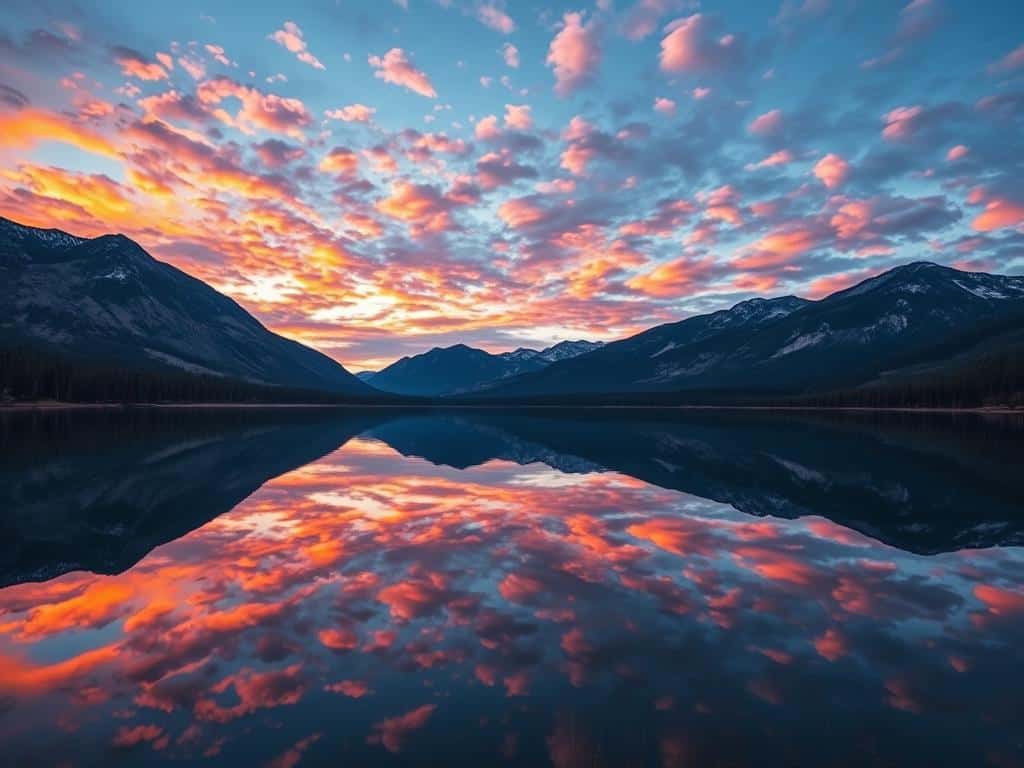
Symmetry is key in photography for visually appealing images. I aim for balance by placing elements symmetrically in the frame. This creates harmony and draws viewers in.
Reflective surfaces offer captivating patterns that show off natural symmetry. Using framing techniques, like strategic cropping, can make the images even more striking and memorable.
Incorporating Distortions
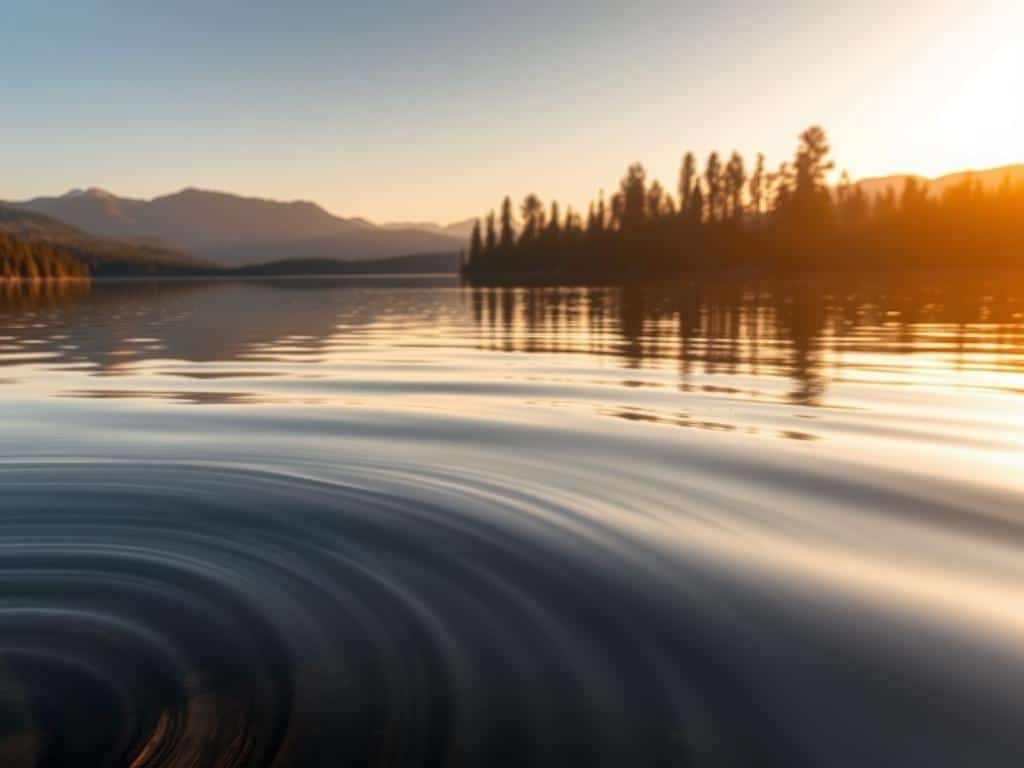
Distorted reflections add intrigue and creativity to my photos. By using surface ripples or textures, I introduce movement and playfulness. This experimentation leads to unique visual stories that spark curiosity.
The subtle variations in reflections can create abstract forms. These challenge the viewer’s perception, adding depth to my photography portfolio.
Using Filters for Greater Impact
Filters are essential for improving reflection images. Polarizing filters reduce glare and enhance color, making visuals more striking. This clarity captures the light and shadow nuances in reflections.
Trying different filters lets me explore various moods and atmospheres. This enriches the storytelling in my work.
Conclusion
Reflection photography is all about mixing technical skills with creativity. By following the tips from earlier, I can take amazing mirror images. Knowing the science behind reflections and when to shoot is key for photographers.
Patience and practice are essential to make ordinary scenes into stunning reflections. The best times to shoot are early mornings and sunset. Adding textures and foreground elements can make images more interesting.
Reflection photography lets me explore different places, from nature to cityscapes. It’s about finding new angles and lighting to bring out my creativity. Every photo is a unique masterpiece, showing the beauty of reflections.
