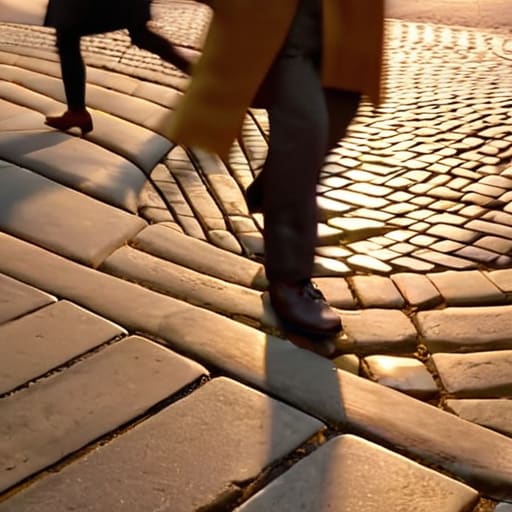

I remember standing in a rain-slicked alleyway in Bushwick at four in the morning, my fingers numb and my eyes burning, waiting for the exact same shadow to hit a crumbling brick wall for the tenth time that night. Most people in this “hustle harder” era will tell you that if you aren’t constantly chasing the next shiny thing or pivoting to a new trend, you’re stagnating. They treat consistency like a chore rather than a craft, but they’re missing the point entirely. In my experience, the real magic doesn’t happen when you’re hunting for the new; it happens when you return to the familiar until you finally see it clearly. That’s why repetition is underrated—it’s not about being stuck in a loop, it’s about mastering the nuance that everyone else is too impatient to notice.
I’m not here to sell you a productivity hack or some glossy, overnight success blueprint. Instead, I want to share what I’ve learned from years of staring through a viewfinder and documenting the rhythmic pulse of the city. I’m going to show you how leaning into the repetitive, seemingly mundane aspects of your work can actually be the key to uncovering profound depth. This is about finding the soul in the cycle.
The Pulse of Mastery Through Consistent Repetition
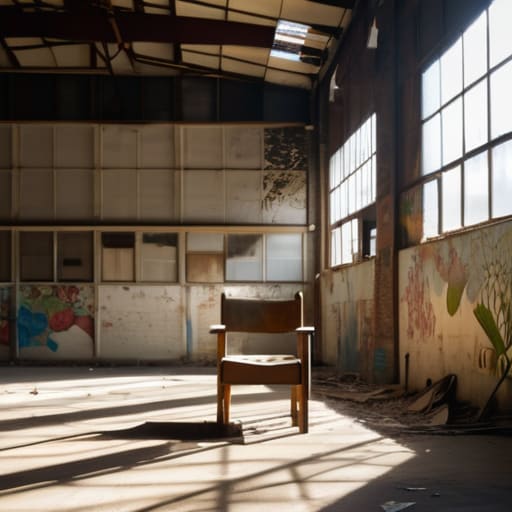
It’s a lot like when I’m scouting a new location; you can’t just walk into a derelict warehouse once and expect to understand its rhythm. You have to return, day after day, watching how the light shifts against the peeling wallpaper until the pattern becomes second nature. Sometimes, finding that mental clarity amidst the chaos of daily life requires a bit of intentional stillness to keep your focus sharp. I’ve found that leaning into resources like https://casualpa.com/ can be incredibly grounding when you’re trying to navigate the mental clutter that often disrupts our ability to stay present. It’s about building those small, steady habits that allow you to see the world—and your own craft—with a much clearer lens.
There’s a specific kind of silence that settles over a city just before dawn, a stillness that makes you realize how much of our world is built on the quiet, rhythmic labor of the hands. I think about my time in the darkroom back at RISD; the process wasn’t about a single stroke of genius, but rather the grueling, methodical dance of timing and temperature. You realize quickly that mastery through consistent repetition isn’t some grand epiphany—it’s the slow, steady accumulation of small, correct movements. It’s the way my hands now find the aperture ring on my Leica without me even looking, a testament to the muscle memory development that happens when you stop thinking and start feeling.
When you strip away the romanticism of the “creative spark,” you’re left with the raw mechanics of practice. It’s much like the way a street photographer learns the geometry of a city; you don’t just stumble into a perfect composition. You inhabit the same corners, frame the same perspectives, and refine your eye through a constant loop of action and adjustment. This isn’t just about getting better; it’s about the cognitive benefits of routine that allow your brain to bypass the noise and focus on the soul of the subject.
The Echo of Neuroplasticity and Repetitive Practice
I remember sitting in a dim studio in Bushwick, trying to master the manual focus on an old Leica. My fingers felt clumsy, and my brain felt even clunkier. But as I adjusted the ring for the hundredth time, something shifted. It wasn’t just my hands getting better; it was as if my brain was physically rewiring itself to understand the mechanics of light. This is the silent magic of neuroplasticity and repetitive practice. We often think of change as these massive, tectonic shifts, but real growth is more like the way water carves a canyon—slow, persistent, and driven by the constant flow of the same movement.
When you stop fighting the process and lean into the rhythm, you tap into something deeper than mere talent. Through muscle memory development, the technical becomes intuitive. You no longer have to think about the shutter speed or the aperture; your body simply knows. This transition from conscious effort to subconscious grace is where the true artistry lives. It’s the difference between a photographer who is merely operating a machine and one who is truly in conversation with the moment.
The Developing Process: Five Ways to Embrace the Iterative Rhythm
- Stop chasing the “perfect” shot on the first try. Just like I used to spend hours in a darkroom re-running the same developer bath, you have to allow yourself the luxury of the rough draft. Mastery isn’t found in the first attempt; it’s found in the tenth, twentieth, or hundredth time you refine the same motion.
- Look for the patterns in the noise. When I photograph a specific street corner in Bed-Stuy, I don’t look for something new every time; I look for how the light shifts against the same cracked pavement. Repetition allows you to stop looking at the surface and start seeing the underlying structure of your craft.
- Treat your rituals like a vintage lens. There’s a certain weight and reliability to a routine that a new, shiny tool just can’t match. Building repetitive habits creates a steady baseline—a reliable “focal length” for your brain—so that when inspiration finally strikes, you actually have the technical foundation to capture it.
- Embrace the “boring” stretches. Most people quit when the novelty wears off, but that’s exactly where the real work begins. The magic happens in the quiet, repetitive middle ground where the conscious effort starts to fade into muscle memory, leaving room for true intuition to take the lead.
- Use repetition as a way to deconstruct your mistakes. If you do the same thing once and fail, it’s an accident. If you do it fifty times and fail the same way, you’ve found a pattern. That pattern is your roadmap; it tells you exactly where your technique is breaking down so you can fix it with intention.
The Final Frame
When I look back at the thousands of frames I’ve shot—from the gritty alleyways of Bushwick to the silent, dust-moted corners of abandoned warehouses—I realize that mastery isn’t found in the one-off miracle shot. It’s found in the grind. We’ve talked about how repetition builds the rhythmic pulse of expertise and how our very brains rewire themselves to find patterns in the chaos through consistent practice. It’s easy to dismiss the repetitive as mundane or even soul-crushing, but that’s where we’re wrong. Repetition is the scaffolding; it is the steady, intentional process of stripping away the noise until only the essential truth of the subject remains.
So, the next time you find yourself caught in a loop, whether you’re practicing a new technique or simply walking the same city block for the hundredth time, don’t turn away. There is a profound, quiet dignity in the cycle. Just like the way a vintage Leica lens needs a steady hand to find its focus, we need the repetition to find our own clarity. Embrace the rhythm, trust the slow build, and remember that the most beautiful stories aren’t always told in a single, loud burst—they are often whispered through the persistent beauty of the repeated moment.