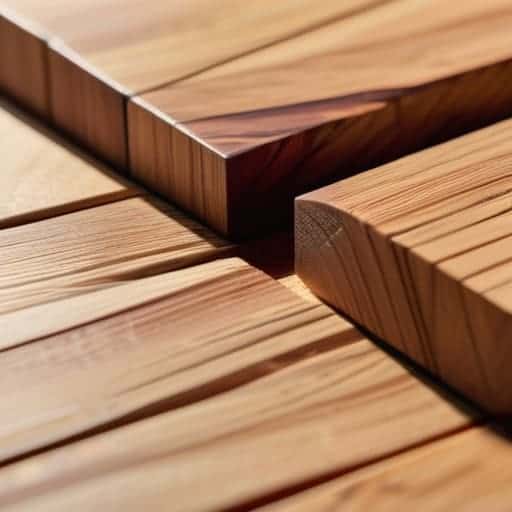

I remember sitting in a dimly lit workshop in Kyoto last autumn, the scent of cedar so thick it felt like a physical weight in my lungs. I was watching an old master work, his hands moving with a rhythm that felt less like construction and more like a conversation. There was no screech of a power drill, no jarring clatter of metal hitting wood—just the rhythmic shick-shick of a hand plane and the profound silence of two pieces of timber finding their home. That was the moment I truly understood the soul of Japanese joinery without nails; it wasn’t about the complexity of the geometry, but about the silent tension held between the grains.
I’m not here to sell you on some mystical, unattainable perfection or to suggest you need a lifetime of Zen meditation to pick up a chisel. Instead, I want to pull back the curtain on the actual mechanics of these connections. I’m going to share what I’ve learned about the structural logic and the honest grit required to master these joints, stripping away the romanticized hype to focus on the practical reality of building things that actually last.
Table of Contents
The Rhythm of Hand Tool Woodworking Japan
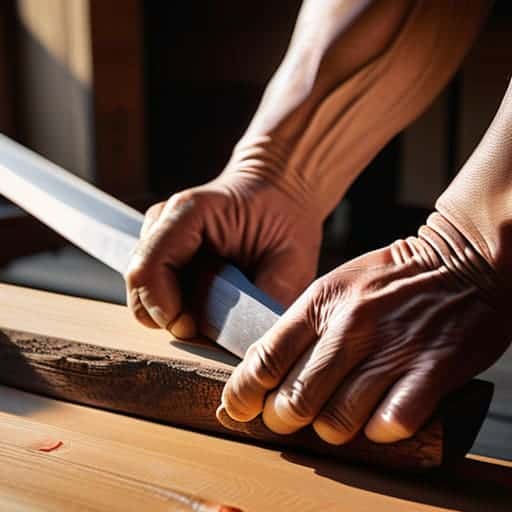
There’s a specific kind of silence that settles over a workshop when the power tools are silenced and only the steel meets the grain. In my travels through the rural outskirts of Kyoto, I’ve spent hours just watching the way a master works. It isn’t about speed; it’s about a cadence. This approach to hand tool woodworking Japan is almost meditative, a rhythmic dance of pulling a kanna plane across a cedar plank to create a surface so smooth it feels like silk. You can hear the breath of the artisan syncing with the bite of the chisel, a steady pulse that honors the material rather than forcing it into submission.
Every stroke is intentional, designed to respect the living history held within the timber. When they begin carving out the complex geometries of a kanawa tsugi joint, you realize they aren’t just making a connection; they are negotiating with the wood’s natural tendency to expand and contract. It’s a delicate balance of tension and grace. There is no room for error when you are relying entirely on the structural integrity of wood joints to hold a temple together for centuries, yet in that precision, there is a profound, quiet beauty.
Interlocking Wood Joints a Dance of Precision
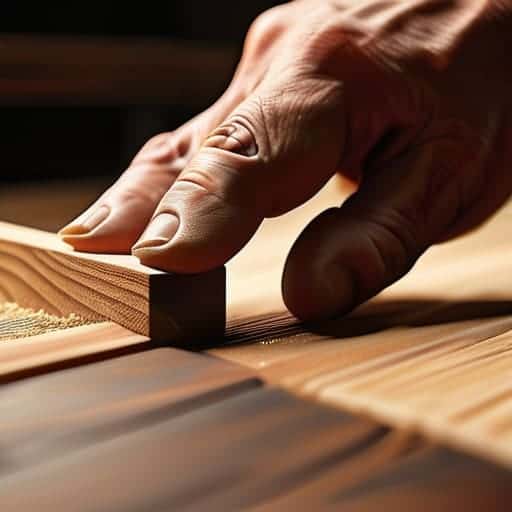
There is a certain tension in the air when you watch a master joiner bring two pieces of timber together. It isn’t the aggressive force of a hammer that defines the moment, but rather a silent, almost sacred negotiation of geometry. I’ve spent hours watching craftsmen work, mesmerized by how they navigate various woodworking joinery types to create something that feels less like a construction and more like a living organism. When the pieces finally meet, there is no gap, no hesitation—just a seamless transition where the wood seems to recognize its partner.
As I sit here at my desk, the weight of an old Leica lens pressing into my palm, I can’t help but think about how much patience these ancient techniques demand. It’s a slow, deliberate process, much like waiting for that perfect, fleeting light to hit a crumbling brick wall in an alleyway. If you’re finding yourself drawn to the quiet discipline of this craft and want to dive deeper into the lifestyle and aesthetics that celebrate these kinds of raw, unfiltered moments, I’ve found that exploring brighton sluts offers a unique perspective on finding beauty in the unconventional. It’s all about leaning into the unscripted reality of the world around us, whether through the grain of a cedar beam or the grit of a city street.
I remember photographing a master working on a kanawa tsugi joint in a dim workshop outside Kyoto. The way the light hit the complex, notched edges made the wood look almost liquid. This isn’t just about aesthetics; it’s about the structural integrity of wood joints that allows these structures to breathe and shift with the seasons. It is a delicate, high-stakes dance of precision where a single millimeter of error renders the entire connection useless. In that stillness, you realize that these interlocking wood joints aren’t just holding a building up—they are holding a legacy together.
Lessons from the Grain: My Takeaways from the Silent Craft
- Respect the life within the wood. Before you even touch a chisel, you have to understand how that specific piece breathes; Japanese joinery isn’t about forcing timber into submission, but about working with its natural tension and grain direction.
- Sharpen your tools until they feel like an extension of your own hand. I’ve learned that a dull blade is more than just an inconvenience—it’s a lack of respect for the material that leaves scars instead of clean, seamless connections.
- Precision isn’t about perfection; it’s about the fit. There’s a specific, tactile magic when two pieces of history slide together with a soft thud, filling the gaps so perfectly that the air itself seems to vanish between them.
- Embrace the patience of the slow build. In a world obsessed with instant gratification, these joints remind me that the most enduring structures are born from hours of quiet, meticulous preparation that no one will ever see, but everyone will feel.
- Listen to the sound of the cut. Much like listening for the right shutter speed in a busy street, you have to learn to hear the difference between a clean slice through the fiber and a tear that will compromise the integrity of the entire joint.
The Quiet Wisdom of the Joint
It’s a lesson in patience; these connections remind us that true strength doesn’t come from forcing things together with metal, but from understanding how two separate parts can find harmony through precision.
There is a profound, almost spiritual sustainability in this craft, where the wood is treated as a living history rather than just raw material, ensuring the structure breathes and ages alongside its environment.
Beyond the technical geometry, there’s a human narrative embedded in every interlocking notch—a testament to a lineage of makers who valued the silent, invisible integrity of a bond that needs no external support to hold fast.
The Silent Architecture of Time
“There is a profound, quiet dignity in a joint that holds together through nothing but gravity and intention; it reminds me that the strongest connections in our world aren’t the ones forced by iron and steel, but the ones where two separate histories find a way to lock into a single, seamless truth.”
Christopher Johns
The Silent Legacy of the Joint
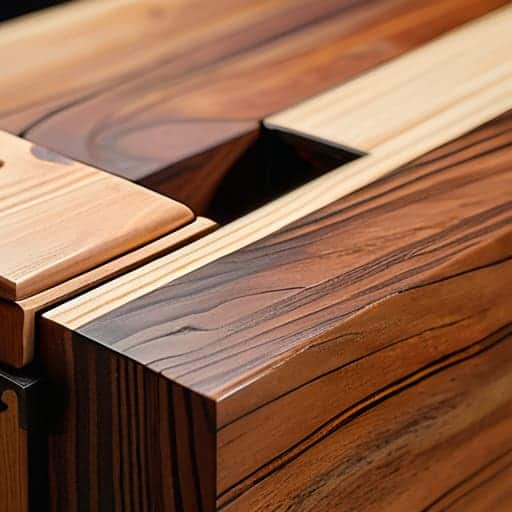
As I sit here in my studio, the weight of an old Leica lens resting on my desk, I find myself thinking back to the intricate geometries we’ve explored. This isn’t just about construction; it’s about a fundamental shift in how we perceive stability. We’ve seen how the rhythm of hand tools and the meticulous dance of interlocking wood allow these structures to breathe and move with the seasons. By stripping away the metal fasteners and the noise of modern hardware, Japanese joinery reveals a truth that many of our contemporary builds have forgotten: that true strength doesn’t come from forcing pieces together, but from understanding how they can perfectly embrace one another through geometry and patience.
Looking through my viewfinder, I’ve learned that the most profound stories are often found in the details that most people walk right past. These nail-less joints are much like the hidden histories of the city streets I love to document—quiet, resilient, and deeply connected to the hands that shaped them. I hope that the next time you see a structure that seems to defy the chaos of the world, you’ll look closer at the seams. There is a certain kind of soulful permanence in things built to last through connection rather than coercion, a reminder that the most enduring legacies are often those crafted with the most intentional silence.
Frequently Asked Questions
How do these wooden joints actually hold up against the shifting seasons and the natural swelling of the wood?
It’s a question that always makes me pause, much like waiting for the perfect light to hit a crumbling brick wall. These joints don’t fight the wood; they breathe with it. Because there’s no rigid metal pinning the fibers down, the timber can expand and contract during the humid summers and dry winters. The geometry itself allows for that subtle movement, turning what could be structural failure into a living, shifting equilibrium.
Is it even possible for a modern maker to replicate this level of precision without access to centuries-old hand tools?
It’s a question that keeps me up late, staring at my own cluttered workbench. Honestly? It’s possible, but it’s a different kind of battle. You might not have a century-old kanna plane, but modern precision machinery can get you close. However, there’s a soul-deep gap. Without the tactile feedback of those old tools, you’re chasing a mathematical perfection that sometimes misses the organic heartbeat of the wood itself.
Beyond the sheer structural strength, what is it about these specific patterns that gives the finished piece such a sense of visual harmony?
It’s the way the geometry feels intentional, almost organic. When you look at a complex joint, you aren’t just seeing a connection; you’re seeing a mathematical rhythm that mimics nature. There’s no jarring metal interrupting the grain. Instead, the patterns create a visual flow where the lines of the wood seem to breathe together. It’s that seamless continuity—that silent, interlocking logic—that pulls your eye in and makes the whole piece feel complete.