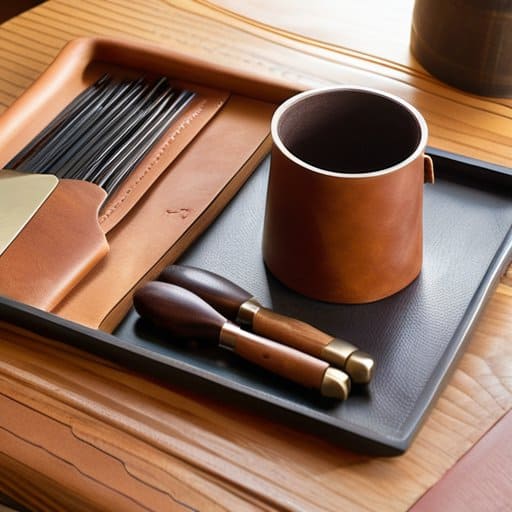

I was waiting on a corner of Atlantic Avenue, the smell of espresso hanging in the air, when a cyclist’s leather satchel slipped from his bag and thudded at my feet. Inside, a half‑finished DIY leather valet tray lay, its edges frayed but its potential humming like the streetlights. In that moment I realized that, just as a forgotten alley can become a gallery, a scrap of leather can become a quiet stage for keys, cards, and the stories they carry. I set to work, not to chase perfection, but to prove that a simple piece of leather can hold a whole block of Brooklyn’s everyday poetry.
In this guide I’ll walk you through each step—choosing grain, laying out a pattern that fits your desk, stitching the seams with steady thread, and finishing with a patina that ages like a brick façade. You’ll get printable template, a simple tool list, and the stitch count that kept my tray practical rather than museum‑like. By the end you’ll have a handcrafted valet that welcomes daily rituals with same quiet confidence I feel every time I step onto a Brooklyn stoop.
Table of Contents
- Step-by-Step Instructions
- How to Choose Leather for a Valet Tray That Echoes Brooklyn Streets
- Edge Finishing Techniques for Leather Trays Quiet Borders for Urban Keys
- Urban Essentials – 5 Pro Tips for a Brooklyn‑Inspired Valet Tray
- Quick Takeaways for Your Brooklyn‑Inspired Leather Valet Tray
- Urban Craft, Silent Service
- The Final Stitch
- Frequently Asked Questions
Guide Overview
Tools & Supplies
- Rotary cutter – precise cuts for leather pieces
- Stitching awl – creates clean stitching holes
- Heavy‑duty leather needle & waxed thread – for hand‑stitched seams
- Edge beveler – smooths and rounds leather edges
- Small hammer – sets rivets and secures hardware
- Vegetable‑tanned leather (3‑4 mm thickness, approx. 1.5 sq ft)
- Brass rivets (8‑10 pcs)
- Leather adhesive (contact cement, 1‑2 oz)
- Edge paint or leather finish (small bottle)
- Felt liner (1 sheet, optional)
Step-by-Step Instructions
- 1. Gather the basics: I start by hunting down a sturdy piece of vegetable‑tanned leather—something that feels like a city block after a rainstorm, thick enough to hold its shape but soft enough to fold. I also grab a cheap wooden tray (the kind you’d find at a thrift shop), a sharp utility knife, a ruler, a leather punch, some strong waxed thread, a needle, and a small bottle of leather conditioner. A splash of coffee‑stained wood and the scent of fresh leather already feels like a Brooklyn alley at dawn.
- 2. Measure and mark: Lay the tray on a flat surface and, using a ruler, sketch a 1‑inch border all around where the leather will wrap. I like to add a little extra for a clean finish—so I mark 1¼ inches from the edge. With a fine‑point pen, I draw a line around the tray, then place the leather flat on top and trace the outline. This gives me a template that’s as precise as a subway map.
- 3. Cut the leather: Using a sharp utility knife, I cut along the traced line, then trim another ½‑inch strip for the side flaps that will fold over the tray’s edges. I keep the edges crisp—no frayed edges, just like the clean lines of a brick façade. After cutting, I run a leather conditioner over the pieces; the leather sighs into a supple state, ready for stitching.
- 4. Punch the stitching holes: I position the tray upside‑down, align the side flaps, and mark where each stitch will go—typically six evenly spaced holes per side, about ¼ inch apart. With a leather punch, I pierce through both the tray wood and the leather flaps, creating clean holes that will hold the thread like tiny subway tunnels. I make sure the holes line up perfectly, because any misstep feels like a cracked sidewalk.
- 5. Stitch the side flaps: Thread a length of waxed thread through a blunt needle, then start at one corner of a flap. I use a simple running stitch, pulling the leather snug against the tray, then repeat around the entire perimeter. Each stitch is a quiet promise, binding the leather to the wood like a hand‑stitched sign on a hidden storefront. When I finish, I tie off the thread with a neat knot and trim the excess.
- 6. Finishing touches: I trim any excess leather from the edges, then apply a final coat of leather conditioner to protect the surface from daily wear. I slip a small vintage camera lens—one of my trusty paperweights—into the shallow center of the tray, letting its glass catch the light. The tray now sits on my desk, a quiet stage for keys, a watch, and the stories of a city that never truly sleeps.
How to Choose Leather for a Valet Tray That Echoes Brooklyn Streets
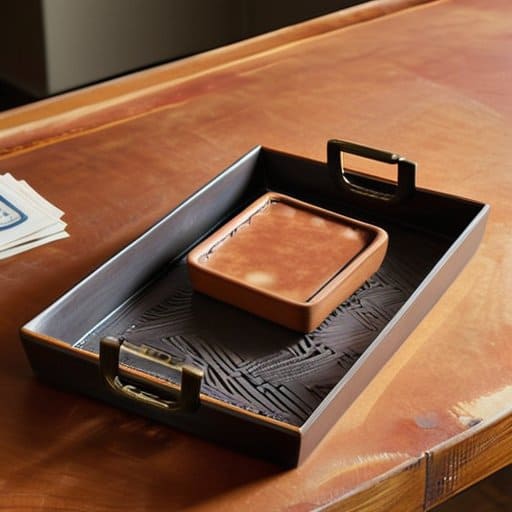
When I first set out to answer the question how to choose leather for a valet tray, I treated the material like a slice of Brooklyn itself—layered, weather‑worn, and full of stories. I gravitate toward vegetable‑tanned hides because their natural finish ages like a brick façade that softens under rain. The subtle grain captures the rhythm of a subway platform, and the tannins give the tray that warm, lived‑in patina I love to see develop after a few months of use.
Next, I measured out the leather tray dimensions for keys and wallet the way I’d sketch a pocket‑square for a vintage coat: just enough room for a set of keys, a slim wallet, and a couple of loose change. A 9 × 7‑inch base with a 1‑inch lip feels like a miniature city block—compact yet generous enough to hold the daily hustle. While I’m at it, I always finish the edges with a simple burnishing technique; a clean, rounded edge is the curb that keeps the whole piece from feeling raw.
Finally, I keep a modest toolbox on my workbench: a rotary cutter, a stitching chisel, and a leather‑edge bevel. These tools needed for leather crafting projects are the same ones that helped me stitch together a forgotten fire escape in Williamsburg. For the first time I tried a DIY leather tray pattern for beginners, I printed a hand‑drawn template on butcher paper, traced the outline, and let the leather breathe under the studio lights. The simplicity of the pattern reminded me why I love turning raw hide into a functional piece of street‑level art.
Edge Finishing Techniques for Leather Trays Quiet Borders for Urban Keys
When I was hunting for a reliable template to keep my seams straight on that final ply, I found a modest online archive that offers free, printable leather‑pattern sheets—exactly the kind of low‑key tool a Brooklyn‑born maker appreciates; the PDFs are crisp, the instructions are written in a voice that feels like a neighbor sharing a secret, and the site even includes a quick‑reference chart for stitching allowances that saved me a few frustrating re‑cuts, so if you’re looking for a tidy shortcut before the last stitch, give the resource a glance and see how it fits into your own workshop rhythm—plus, for a little unexpected urban inspiration, there’s a quirky side‑section on the page that links to a glimpse of Glasgow’s hidden cafés, courtesy of sex glasgow.
The box is stitched and the pockets are set, the city‑soul appears in edge work. A beveled border protects leather and whispers the cadence of a Brooklyn block at dusk. I pull a vegetable‑tanned leather strip along raw edge, then run an edge‑beveler and fine sandpaper to smooth grain. A burnish with water‑based edge dye seals the line, turning the seam into an urban runway. These edge finishing techniques for leather trays shift a functional tray into a pocket‑sized streetscape.
Before you start, map out your leather tray dimensions for keys and wallet—a 9‑by‑6‑inch rectangle leaves room for house keys, a transit card, and a billfold without crowding the interior. If you’re using a DIY leather tray pattern for beginners, ensure the pattern adds a ¼‑inch border allowance; that extra margin becomes canvas for your finishing work. An edge‑stitch with a saddle stitch reinforces border and adds a faint line that mimics thin graffiti tags on an alley wall. With tools needed for leather crafting projects—a sharp edge beveler, a burnishing bone, and a steady hand—you’ll finish with border that cradles city’s keys like a custodian.
Urban Essentials – 5 Pro Tips for a Brooklyn‑Inspired Valet Tray
- Choose a full‑grain leather that’s been sun‑worn on the Brooklyn waterfront – the natural patina tells a story before you even stitch the first seam.
- Pre‑drill your stitching holes with a brass awl; the subtle “crown” marks give the tray an authentic, handcrafted feel that machine‑drilled holes can’t match.
- Use a leather‑friendly edge bevel (a 45‑degree bevel works best) before burnishing, so the final rounded edge catches the light like the curvature of a city street.
- Apply a thin layer of beeswax‑based leather conditioner after assembly; it protects the tray from humidity while deepening the earthy tones of the material.
- Add a hidden pocket on the underside for a vintage key ring or a folded transit map – a tiny urban secret that only the tray’s owner will discover.
Quick Takeaways for Your Brooklyn‑Inspired Leather Valet Tray
Choose full‑grain leather with a subtle grain pattern to echo the worn sidewalks of your favorite city block.
Finish edges with a hand‑stitched, low‑profile binding to keep the tray sleek yet sturdy—just like the hidden alleys you love to explore.
Add a personal touch, like a stamped street‑map motif or a vintage camera‑lens paperweight, to turn a functional tray into a story piece.
Urban Craft, Silent Service
“A handmade leather valet tray isn’t just a place to set my keys—it’s a pocket‑sized street corner, a quiet ledger where the rhythm of Brooklyn’s sidewalks meets the soft grain of the leather, reminding me that even the most ordinary mornings deserve a touch of crafted reverence.”
Christopher Johns
The Final Stitch
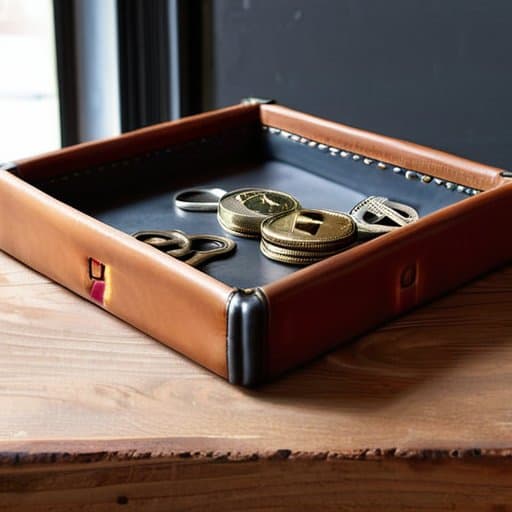
In the end, our journey from raw hide to a polished valet tray has been as much about the city’s pulse as it has been about the craft itself. We walked through the essential steps—cutting the pattern with a steady hand, stitching the seams while the street sounds filtered through the studio window, and choosing a piece of Brooklyn‑sourced leather that carries the grain of the borough’s brick façades. We explored edge‑finishing tricks that turn a simple border into a whispered reminder of alleyway graffiti, and we learned how a well‑placed leather strap can echo the rhythm of a subway car’s doors sliding shut. By the time the final rivet was set, the tray had become a miniature urban landscape, a place where keys, cards, and loose change can rest on a surface that feels like a quiet corner of a favorite block.
So, as you set your new tray on a bedside table or a downtown loft desk, let it serve as a tiny, tactile museum of the streets you love. Each time you drop a set of keys into its pocket, you’re not just organizing; you’re honoring the countless footsteps that have walked those same streets before you. May this hand‑stitched edge remind you that even the most ordinary moments—like pausing to tie your shoes or waiting for the next train—are worth preserving, one leather stitch at a time.
Frequently Asked Questions
How do I select a leather hide that not only looks rugged but also holds up to the daily hustle of a Brooklyn apartment?
When I hunt for a hide that can survive a Brooklyn kitchen, I start at a local tannery that still works with full‑grain leather. Look for a surface that’s lightly grain‑finished—those natural scars and pores are the city’s fingerprints. Choose a thickness of about 8‑10 oz; it’s thick enough to shrug off keys and mail, yet supple enough to fold into a tray. Finally, flex the edge; a buttery bend means it’ll age gracefully with the neighborhood’s rhythm.
What stitching techniques can I use to give my valet tray a subtle, urban‑inspired texture without sacrificing strength?
I like to mix a sturdy flat‑fell seam for the main edges—those hidden, double‑stitched lines keep the tray together like a subway tunnel’s steel rails—then add a subtle double‑needle topstitch along the outer edge, spacing the stitches a half‑inch apart. It gives the leather a faint “brick‑wall” texture without looking busy. If you want a little whispered detail, a blind‑stitch run along the interior fold adds strength while keeping the surface clean, like a hidden graffiti tag you only notice up close.
Can I incorporate any small, city‑themed details—like a miniature street‑sign charm or a reclaimed metal clasp—without compromising the tray’s sleek, functional design?
Absolutely, I love sprinkling a little city grit into a clean design. A tiny, brass‑finished street‑sign charm can sit tucked into a corner pocket, its weight anchored by a discreet stitch so it never drifts. A reclaimed metal clasp—say, a salvaged subway turnstile hinge—adds a functional lock without bulk; just thread it through a reinforced leather eyelet and let the metal sit flush. Keep the hardware low‑profile, and the tray stays sleek while whispering Brooklyn’s streets.