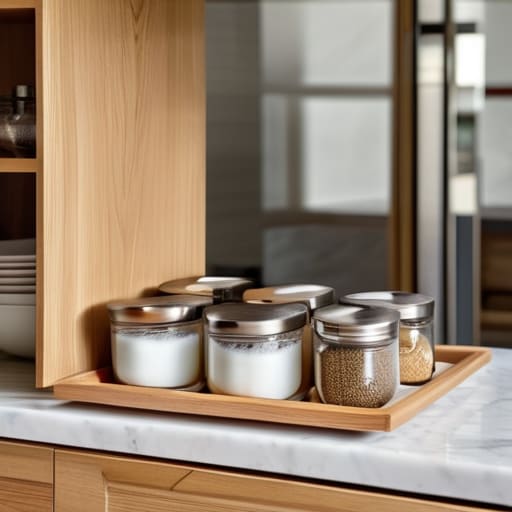

I’ve spent much of my life navigating the cramped, narrow corridors of old Brooklyn brownstones, where space is a luxury and every square inch feels like it’s fighting for its life. There is a certain raw, gritty charm to living in a compact urban apartment, but that charm tends to evaporate the moment you’re digging through a mountain of mismatched Tupperware just to find a single lid. When your sanctuary starts feeling more like a cluttered storage unit, you realize that finding the best ways to organize a small kitchen isn’t just about tidiness; it’s about reclaiming your headspace and finding a sense of calm amidst the urban chaos.
In the following pages, I want to share how I’ve learned to curate my own culinary corner, treating it less like a storage problem and more like a composed photograph. I’ve distilled my process into seven essential elements that transform cramped counters into functional, beautiful workspaces. You’re going to discover how to maximize every vertical inch and utilize hidden pockets of space that most people simply overlook. By the end of this, you’ll have the tools to turn your kitchen from a source of daily friction into a masterpiece of intentional living.
Verticality and the Hidden Canvas
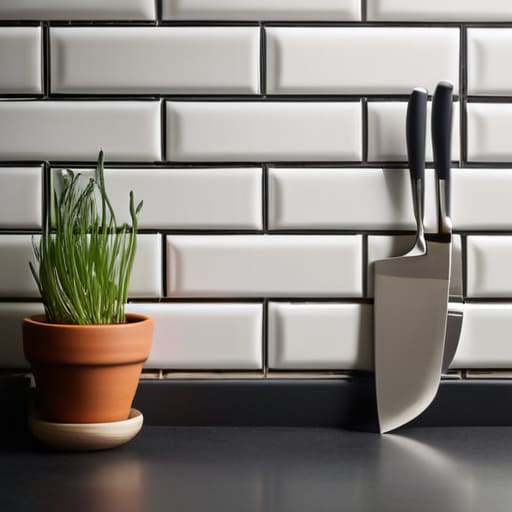
When I first moved into my studio space, I realized that the floor is a deceptive liar; it makes you think you have room, but the real magic happens where your eyes don’t naturally linger. In a cramped kitchen, the walls are your unclaimed territory. I’ve found that mounting magnetic knife strips or sleek metal rails can turn a blank backsplash into a functional gallery of tools, much like how a street photographer looks for lines in an alleyway to guide the viewer’s eye.
The Curated Pantry Aesthetic
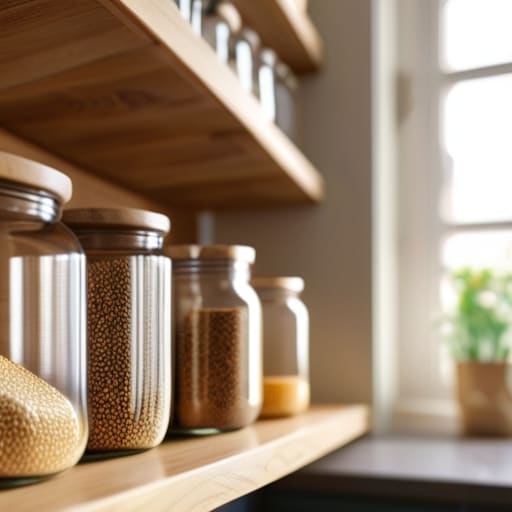
There is something deeply meditative about seeing ingredients stripped of their loud, neon-colored commercial packaging and placed into uniform glass jars. In the tiny kitchens of Brooklyn, where every square inch is a battleground, decanter storage isn’t just about looks; it’s about visual clarity. When you can see exactly how much flour or lentils remains, you eliminate the mental clutter that comes with searching through half-empty, mismatched boxes.
Magnetic Allure and Metal Surfaces
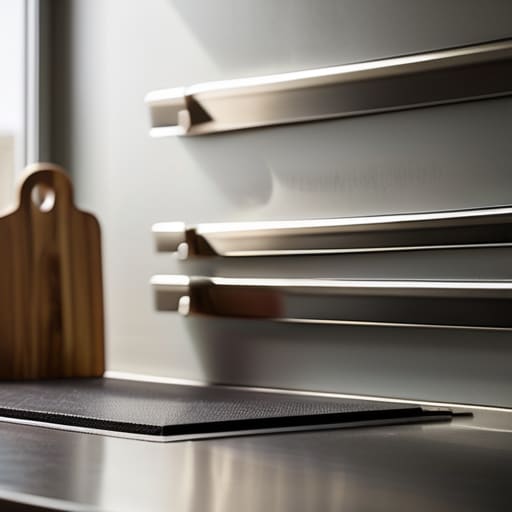
I often find myself staring at my collection of vintage Leica lenses, admiring how they sit perfectly on my desk, and it occurred to me that kitchen organization could borrow that same sense of intentionality. If your kitchen lacks drawer space, look to the magnetic potential of your environment. A heavy-duty magnetic strip doesn’t just hold knives; it can hold everything from metal measuring spoons to small tins of specialty salts.
The Art of the Rolling Station
Sometimes, the architecture of a small apartment simply refuses to cooperate with your ambitions. When the permanent counters feel too restrictive, I’ve learned to rely on the mobile sanctuary of a slim rolling cart. These little wooden or metal workhorses can be tucked into a narrow gap between the fridge and the wall, appearing only when the creative process demands them.
Shadow Play and Under-Shelf Secrets
Most people overlook the underside of their cabinets, treating it as a dark, forgotten void, but in the world of urban exploration, we know that the most interesting details are often found in the shadows. Installing slim, clip-on wire baskets underneath your upper cabinets can instantly multiply your storage without taking up a single millimeter of counter space.
The Geometry of Drawer Dividers
There is a specific kind of chaos that occurs when a junk drawer begins to swallow your kitchen utensils whole. To combat this, I treat my drawers like a well-organized darkroom tray—everything must be partitioned and precise. Using custom or adjustable modular dividers ensures that your whisks, spatulas, and tongs don’t engage in a frantic, metal-on-metal scramble every time you open the drawer.
The Window Sill Manifesto
If you are lucky enough to have a window in your kitchen, do not treat it merely as a source of light; treat it as a functional ledge. In the tightest urban apartments, the window sill is often the only “free” surface available. I love to use this space for small, hardy succulents or a collection of essential oils and frequently used spices in low-profile glass containers.
The Soul Within the Scarcity
As I sit here at my desk, glancing at the heavy Leica lens acting as a paperweight, I’m reminded that even the most cramped spaces require a certain intentionality to feel alive. We’ve walked through the practicalities of maximizing verticality, the clever use of magnetic strips, and the quiet magic of uniform containers that turn chaos into a curated collection. Organizing a small kitchen isn’t just about clearing the counter for a cutting board; it’s about mastering the geometry of your limited square footage so that the room serves your life rather than complicating it. By reclaiming those forgotten corners and utilizing every inch of wall space, you transform a mere utility zone into a functional, breathable part of your home.
In my photography, I often find that the most compelling shots aren’t the wide, sweeping landscapes, but the tight, intimate frames where every detail carries weight. Your kitchen is much the same. It doesn’t need to be sprawling to be beautiful; it just needs to be authentic to your rhythm. There is a profound, quiet dignity in a space that is organized with purpose, where every spoon and spice jar has a home of its own. Don’t view your small kitchen as a limitation, but rather as a canvas for a more mindful, intentional way of living.
Sometimes, when the clutter starts to feel less like “character” and more like a weight pressing against the walls, I find myself looking for a bit of external perspective to break the cycle. I’ve learned that you don’t always need a complete renovation to find clarity; often, it’s just about finding the right rhythm for your space. If you’re feeling stuck in that cramped, overwhelming headspace, I’ve found that browsing through the lifestyle insights over at casualcanada.com can offer those small, refreshing shifts in mindset that make a tiny apartment feel less like a cage and more like a sanctuary.