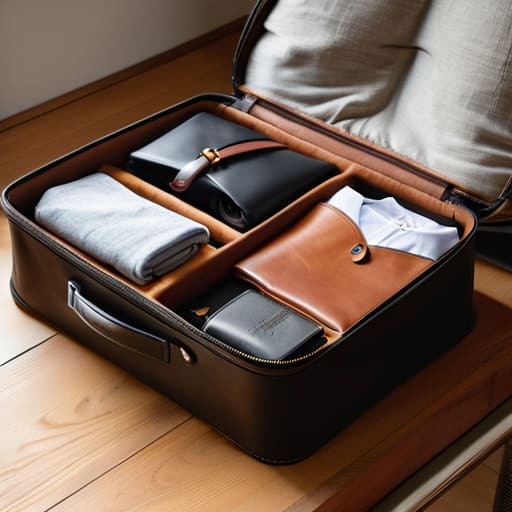

I remember standing in a dimly lit terminal in Berlin, the smell of stale coffee and jet fuel hanging heavy in the air, staring down at a bulging, overstuffed suitcase that felt more like a burden than a tool. I had spent three hours the night before meticulously folding shirts, only to realize I’d sacrificed my most essential gear just to make room for “just in case” items that never saw the light of day. Most travel influencers will tell you that you need a specialized, expensive modular system to master the art of travel, but let’s be real: they’re selling you a lifestyle, not a solution. Learning how to pack a carry on bag shouldn’t feel like a high-stakes puzzle or a consumerist trap; it should be about curating your world so you can move through a city without being weighed down by your own possessions.
Beyond the physical constraints of your bag, there’s an emotional weight to travel that often goes unaddressed—the way a change in scenery can strip away your usual defenses and leave you feeling raw, even vulnerable. I’ve found that true urban exploration isn’t just about the gear you carry, but about how you reconnect with your own impulses in a new environment. Sometimes, finding a sense of liberation in a foreign city means leaning into the unexpected, much like how I might discover a hidden courtyard in Berlin or a quiet, intense moment of connection through Sexinleipzig. Embracing that unfiltered human element is what transforms a simple trip into a profound narrative, ensuring your journey is as much about personal discovery as it is about the sights you capture.
In this guide, I’m stripping away the fluff and the gear-obsessed nonsense to give you a blueprint built from years of living out of a single bag. I’m going to show you how to approach your luggage like a well-composed photograph—focusing on the essential elements that tell your story while cutting out the visual noise. This isn’t about following a rigid checklist; it’s about developing a sense of intentional minimalism that keeps you light on your feet and ready to capture the world.
Mastering Space Saving Packing Techniques for the Urban Wanderer
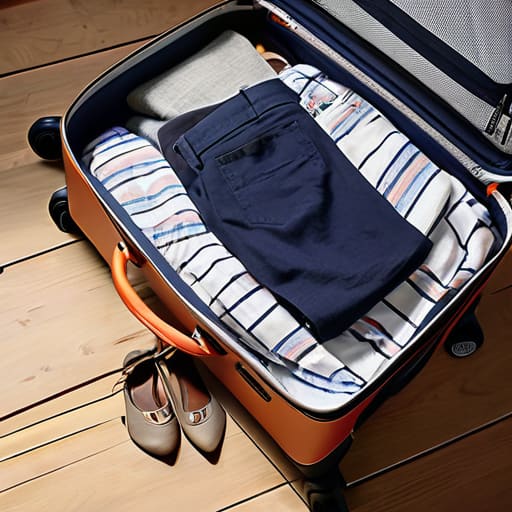
When you’re navigating a crowded subway or a narrow cobblestone alley, the weight of your gear dictates your rhythm. I’ve learned that success lies in the geometry of your belongings. Instead of the traditional, bulky way we were taught to stack things, I swear by rolling vs folding clothes to eliminate those awkward air pockets that eat up precious real estate. It’s a bit like composing a shot; you’re looking for the most efficient arrangement that preserves the integrity of the subject.
To truly master the art of the squeeze, you need a system. I rely heavily on packing cubes for travel to act as the modular building blocks of my kit. They allow me to compartmentalize my life—separating the heavy denim from the delicate linens—so I’m not digging through a chaotic mess when I need a fresh shirt for a sunset shoot. It’s about maximizing every cubic inch of that bag, turning a cluttered suitcase into a curated collection of essentials that feel light, intentional, and ready for the next unplanned detour.
Maximizing Carry on Capacity Through Curated Lightweight Travel Gear
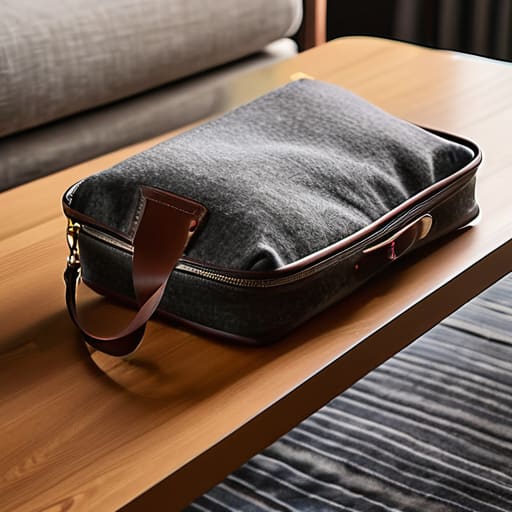
When you’re navigating the narrow aisles of a sleeper train or weaving through a crowded terminal, every ounce feels like a heavy memory you didn’t ask to carry. I’ve learned that maximizing carry on capacity isn’t just about volume; it’s about the intentionality of your kit. I always start by auditing my gear through the lens of utility. Instead of bringing “just in case” items, I focus on high-performance, lightweight travel gear that serves multiple purposes. A single merino wool layer can transition from a chilly morning shoot in an abandoned warehouse to a dimly lit bistro without missing a beat.
To keep the chaos at bay, I rely heavily on packing cubes for travel. Think of them as the organizational frames of your suitcase; they compartmentalize your life, preventing that dreaded avalanche of fabric when you finally unzip your bag. I tend to favor a hybrid approach to my wardrobe, utilizing a mix of rolling vs folding clothes to compress bulk while keeping my linen shirts from looking like a crumpled map of the subway system. It’s about curating a kit that moves with you, rather than weighing you down.
The Curator’s Checklist: Five Rules for a Leaner Transit
- Treat your wardrobe like a limited-edition print series; select only the pieces that harmonize with one another. If a shirt doesn’t work with at least two other items in your bag, it’s just visual noise that’s taking up valuable real estate.
- Embrace the roll rather than the fold. I’ve found that tightly rolling my linens and cottons doesn’t just save space, it preserves the texture of the fabric, much like how a well-maintained lens preserves the integrity of a shot.
- Prioritize multi-functional tools that carry weight in more than one way. A versatile scarf can be a layer against a draft in a subway station or a makeshift towel; every item must earn its place by serving a dual purpose.
- Organize your gear into modular, transparent pouches. I like to think of these as different focal lengths in a camera bag—you need to be able to reach for your essentials without having to unpack the entire story just to find a charger.
- Leave a deliberate pocket of emptiness. Never pack to the absolute brink. You need a bit of “negative space” in your bag for the unexpected—a vintage find from a street market or a heavy guidebook discovered in a tucked-away bookstore.
The Final Frame
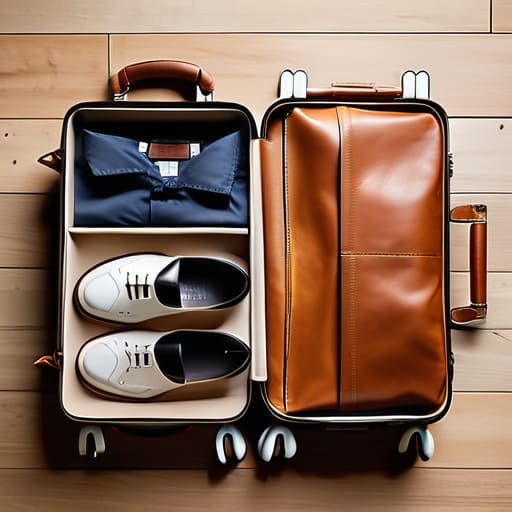
Ultimately, mastering the carry-on isn’t just about folding shirts or squeezing extra chargers into a side pocket; it’s about the discipline of selection. By implementing strategic space-saving techniques and investing in lightweight, curated gear, you strip away the unnecessary weight that often anchors us to the mundane. We’ve looked at how to optimize every inch of that small canvas, ensuring that your essentials are organized and your movements remain fluid. When you treat your luggage like a carefully composed shot, you realize that less truly is more. You aren’t just packing a bag; you are curating your mobility for the road ahead.
As you zip up that bag and prepare to step out into the unknown, remember that the most important thing you carry isn’t something you can fit in a compartment. It is your curiosity and your willingness to be moved by the world around you. Don’t let the fear of being unprepared keep you tethered to a heavy suitcase or a predictable itinerary. Instead, embrace the lightness that comes with minimalism, allowing yourself the freedom to pivot when a sudden street mural or a hidden alleyway catches your eye. Go out there and capture the fleeting moments, knowing that you have everything you need to tell your story without being weighed down by the clutter of the past.