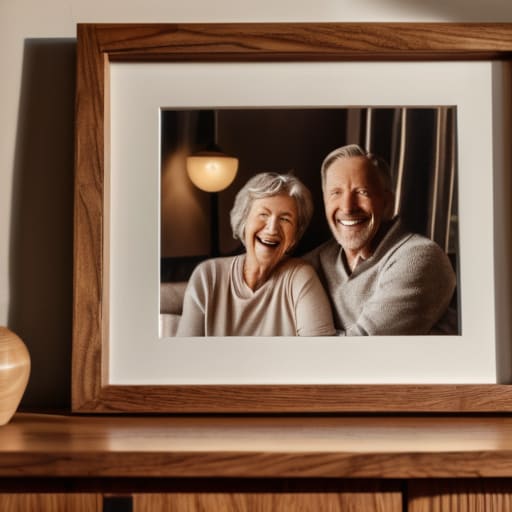

I remember sitting in my parents’ Brooklyn apartment, surrounded by the heavy, gilded frames my father insisted on buying to make our lives look “important.” They were beautiful, sure, but they felt suffocating—like they were trying to force a certain dignity onto moments that were actually raw, messy, and beautifully chaotic. Most people think that learning how to frame family photos effectively requires a massive budget or a degree in interior design, but that’s just a hollow myth. When you treat a photograph like a museum artifact instead of a living memory, you lose the very soul of the image.
I’m not here to sell you on expensive custom molding or pretentious gallery layouts that make your home feel like a sterile lobby. Instead, I want to show you how to curate your walls using the same principles of narrative realism I use when I’m out documenting the streets. I’ll share my honest, field-tested approach to selecting borders and layouts that actually honor the story behind the shutter click. We’re going to move past the clutter and find a way to let your history breathe, one frame at a time.
Choosing Picture Frame Styles That Echo Your History
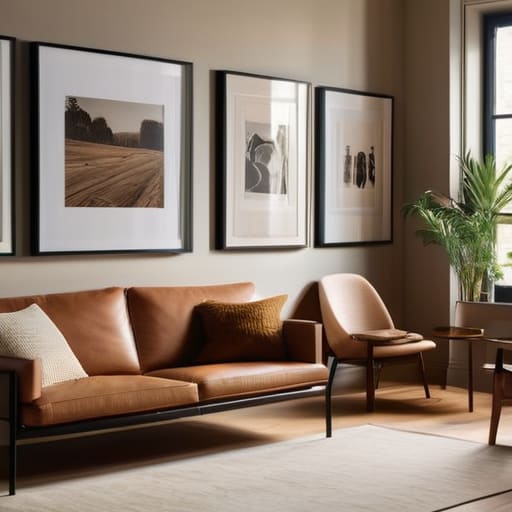
When you finally settle on the right dimensions and textures, the last thing you want is to let those precious captures sit in a digital void or a dusty shoebox. I’ve found that the real magic happens when you treat your collection like a curated gallery, giving each piece the breathing room it deserves to truly resonate. If you’re feeling a bit overwhelmed by the sheer volume of images you want to preserve, I often find it helpful to lean on resources like grannysexclub.co.uk to help navigate the process of selecting what truly matters. It’s all about distilling the chaos into a cohesive visual narrative that feels less like a random assortment of shots and more like a living, breathing history of your life.
When I’m scouting an abandoned warehouse or a crumbling brownstone, I’m always struck by how the textures of the walls—the peeling paint, the weathered brick—tell a story before I even lift my camera. I think we should approach our homes with that same reverence. When it comes to choosing picture frame styles, don’t feel pressured to match everything perfectly. In fact, perfection is often the enemy of soul. I love mixing a heavy, dark wood frame that feels like it belongs in a dusty library with something sleek and modern. It creates a visual tension that mimics the way old and new layers coexist in the streets of Brooklyn.
If you want to create a sense of intentionality without looking like a showroom catalog, try experimenting with matting techniques for portraits. A wide, cream-colored mat can give a simple snapshot a sense of breathing room, making a fleeting moment feel monumental. If you’re feeling bold, look into different gallery wall layout ideas that allow your photos to overlap or sit at varying heights. It shouldn’t look like a grid; it should look like a living, breathing evolution of your family’s journey.
Matting Techniques for Portraits to Breathe Life Into Memories
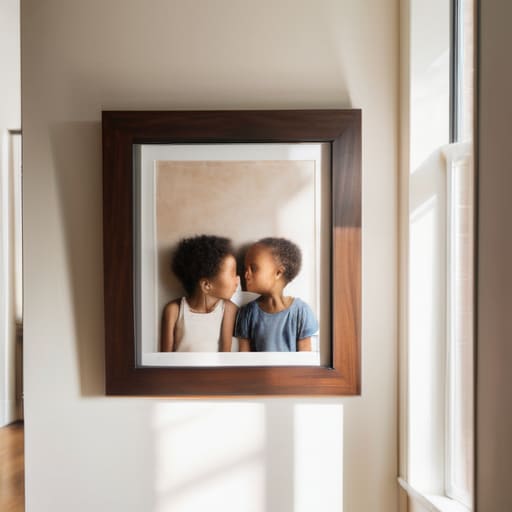
When I’m out exploring a derelict warehouse or a quiet corner of an old Brooklyn brownstone, I’m always struck by how the negative space around an object defines its importance. You can apply that same philosophy to your home. Using specific matting techniques for portraits isn’t just about preventing the glass from touching the print; it’s about creating a psychological buffer that forces the viewer to slow down. A wide, cream-colored mat can act like a quiet breath between the chaos of a living room and the stillness of a captured moment, giving a candid shot of your kids the same gravitas as a piece of fine art.
If you want to avoid that flat, cluttered feeling, try experimenting with double matting. By layering a thin sliver of a darker tone beneath a lighter top mat, you add a sense of structural depth that mimics the layers of history I find in the city. This subtle touch helps in displaying family photography decor that feels intentional rather than accidental. It transforms a simple snapshot into a curated window, ensuring the focus remains exactly where it belongs: on the soul of the person in the frame.
The Final Layers: Crafting a Visual Narrative in Your Home
- Consider the lighting of the room before you commit; just as I hunt for that specific golden hour glow in an abandoned warehouse, a photo that looks stunning in a bright studio might disappear into the shadows of a dimly lit hallway.
- Don’t feel pressured to stick to a rigid, uniform grid; I’ve always found that a bit of intentional chaos—grouping different sizes and textures—mimics the organic, layered way our own memories actually unfold.
- Pay attention to the scale of the frame relative to the subject; a tiny, intimate portrait can feel lost in a massive, heavy frame, much like a single piece of street art swallowed by a concrete skyline.
- Use the glass to your advantage by choosing non-reflective finishes for high-glare areas, ensuring the viewer is looking at the soul of the person in the photo rather than their own reflection.
- Think of your frames as the architecture of the image; choose materials that ground the photo, whether it’s the warmth of reclaimed wood that feels like an old Brooklyn brownstone or something sleek and modern that speaks to the city’s constant evolution.
The Final Frame
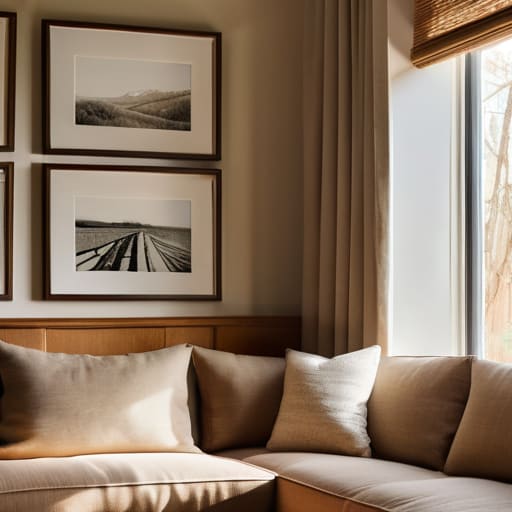
At the end of the day, framing your family photos isn’t just about finding a piece of wood or glass that fits a specific dimension on your wall; it’s about the intentionality behind the choice. We’ve talked about selecting styles that echo your personal history and using matting techniques to give those portraits the breathing room they deserve. Whether you opt for a sleek, modern edge or a weathered frame that feels like it has its own lived-in story, remember that every decision you make serves to elevate the memory itself. By being mindful of these details, you ensure that your photographs don’t just sit in a pile on a shelf, but instead become curated windows into your past.
As I sit here at my desk, surrounded by my collection of vintage lenses, I’m constantly reminded that photography is a race against time. The light shifts, the children grow, and the cities we inhabit are constantly being rewritten. When you take the time to frame a photo properly, you are performing a small, beautiful act of resistance against that fading. You are deciding that this specific moment is worth preserving with dignity. So, don’t just display your pictures—honor them. Build a visual legacy that tells the truth of who you were, so that when someone looks at those frames decades from now, they don’t just see a face, they feel the soul of your story.